A furnace rarely stops working at a convenient time. It may begin with one cold bedroom, a thermostat that never seems satisfied, or a strange sound you notice after everyone has gone to bed. Booking a furnace repair service early can often prevent a small issue from becoming a no-heat emergency during a Toronto winter.
The goal is not to panic over every noise or short heating cycle. Furnaces have moving parts, electrical controls, safety switches, and venting components that all need to work together. The right response is to pay attention to changes, protect your household’s safety, and have a certified technician explain what is happening before repairs begin.
Signs You Should Book Furnace Repair Service
Some furnace problems are obvious. If the system will not turn on, blows cool air, or repeatedly shuts down before the home warms up, it needs professional attention. Other warning signs are easier to dismiss, especially when the furnace still produces some heat.
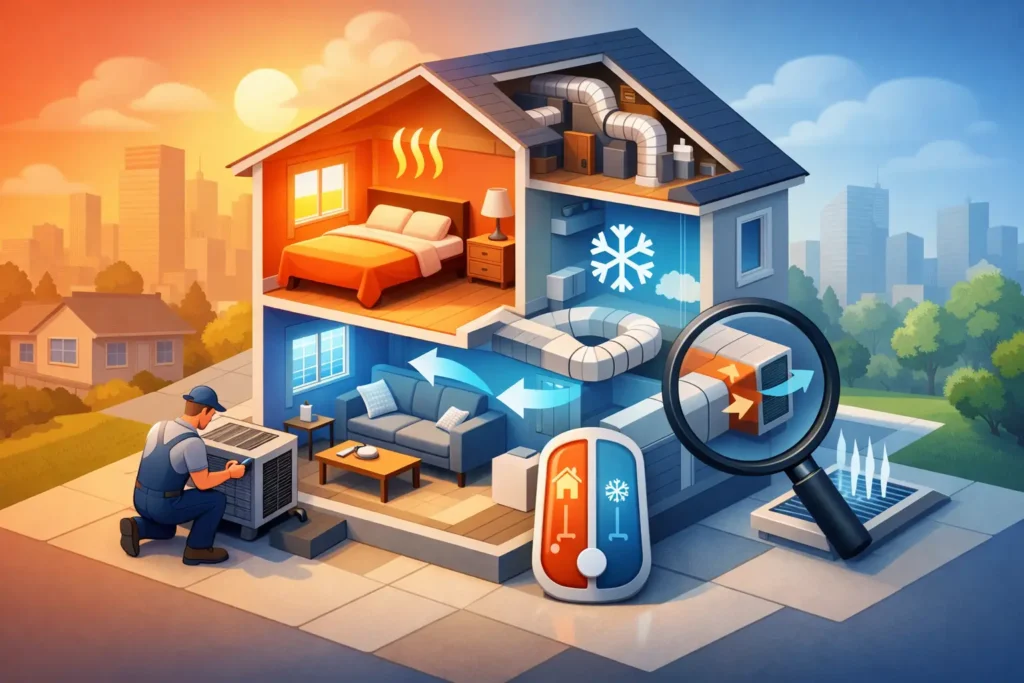
Uneven temperatures are one example. If the main floor feels comfortable but upstairs rooms are consistently cold, the cause might be the furnace, but it could also involve airflow, ductwork, a filter restriction, or thermostat settings. A technician should assess the full heating system rather than replace a part based on one symptom.
New or worsening noises also deserve a closer look. Rattling may point to a loose panel or component. Squealing can be associated with a blower motor or belt issue in older equipment. Banging, booming, or repeated clicking can be more serious and should not be ignored. The exact cause depends on the furnace model and the timing of the noise during a heating cycle.
Rising gas or electricity bills can be another sign. A higher bill does not automatically mean the furnace is failing – a colder month, longer heating hours, poor insulation, and a change in utility rates all matter. But when energy use rises alongside uneven heating, frequent cycling, or longer run times, a service visit can identify whether the furnace is operating efficiently.
Safety Symptoms Need a Faster Response
Turn the furnace off and seek help right away if you smell gas, notice burning odours that do not quickly disappear, see soot around the unit, or have a carbon monoxide alarm activate. Leave the home and follow the emergency instructions provided by your gas utility if there is a suspected gas leak.
A yellow or flickering burner flame can also indicate a combustion concern. Furnace flames are not a homeowner repair project. Do not remove panels, bypass safety switches, or attempt to adjust gas components yourself.
What Happens During a Professional Furnace Visit
A good service call starts with questions. When did the issue begin? Does it happen on every heating cycle? Has the filter been changed recently? Are there error codes on the furnace display? These details help narrow down the issue, but they do not replace proper testing.
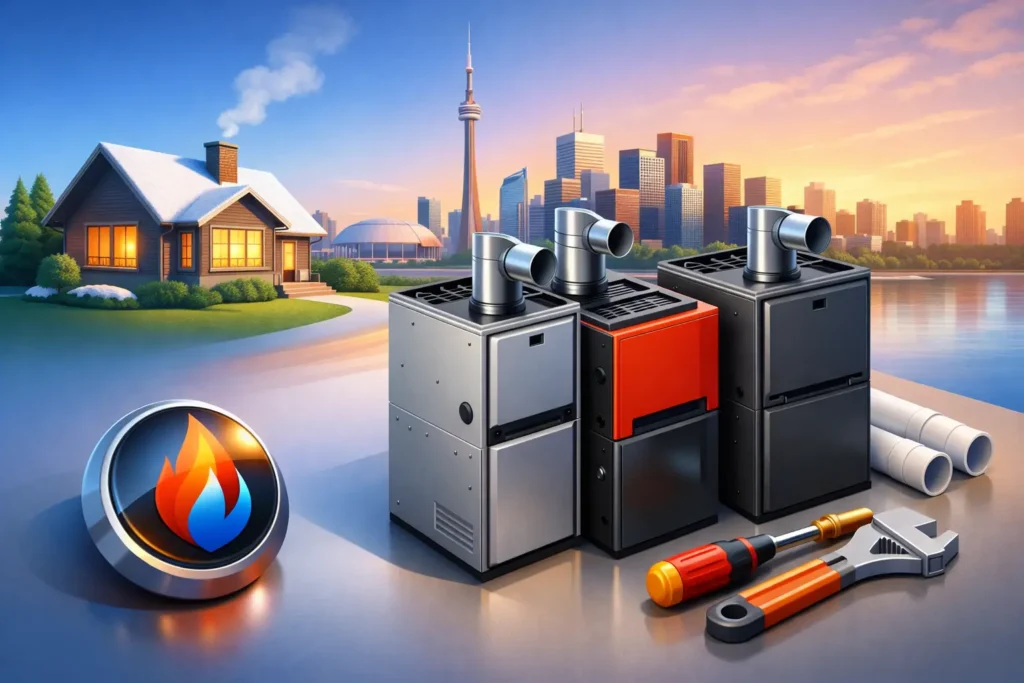
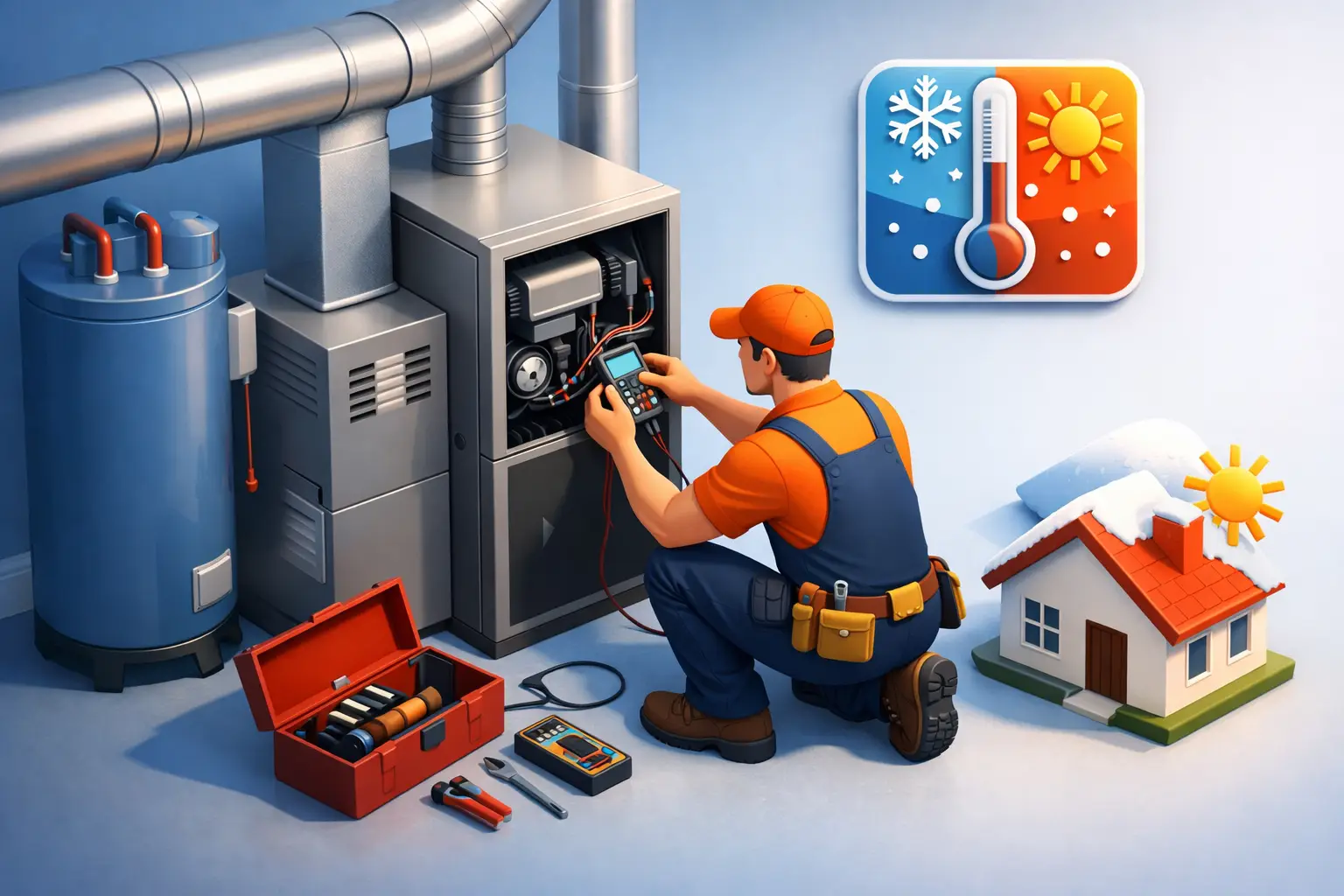
The technician will inspect the furnace operation and relevant components based on the symptom. This can include the thermostat, air filter, blower assembly, ignition system, flame sensor, pressure switches, condensate drainage on high-efficiency furnaces, electrical connections, venting, and safety controls. For gas furnaces, combustion-related checks are particularly important.
You should receive a clear explanation of the diagnosis before work starts. That means understanding what failed, why the recommended repair addresses the problem, and what the repair will cost. If there are multiple reasonable options, such as replacing a worn component now or planning for a furnace replacement soon, the trade-off should be explained plainly.
At Easy Breezy HVAC Inc., homeowners can expect direct communication about the issue and the recommended next step. A repair recommendation should fit the condition of the equipment and your household’s needs, not a sales target.
Repair or Replacement: How to Make the Call
A repair is often the sensible choice when the furnace is relatively new, the issue is isolated, and the rest of the system is in good condition. A failed ignition component, a dirty flame sensor, a faulty capacitor, or an airflow-related issue can usually be addressed without replacing the whole unit.
Replacement becomes more worth considering when repairs are frequent, the furnace is near or beyond its expected service life, or a major component has failed. Many gas furnaces last roughly 15 to 20 years with proper maintenance, though actual lifespan varies by model, installation quality, operating conditions, and care. A furnace that has been neglected or runs under heavy strain may not reach the same lifespan as one that has been regularly maintained.
The cost of the current repair matters, but it should not be the only factor. Consider how often the system has needed service, whether parts are readily available, how reliably it heats the home, and whether your energy bills have become difficult to manage. A replacement may offer better efficiency and warranty protection, but it also requires a larger upfront investment.
For GTA homeowners, sizing matters as much as furnace efficiency. An oversized furnace can heat too quickly and cycle excessively, while an undersized unit may struggle during cold weather. A proper replacement recommendation should account for the home, not simply match the capacity of the old furnace.
Simple Checks You Can Do Before Calling
There are a few safe checks that can save time and help provide useful information during a booking. Confirm that the thermostat is set to heat and set above the current room temperature. Check that the furnace switch is on and that the relevant breaker has not tripped. If you have a standard one-inch filter, look at its condition and replace it if it is visibly dirty.
Make sure supply vents and return-air grilles are open and not blocked by furniture, rugs, or storage. Restricted airflow can contribute to poor heating and cause some furnaces to shut down on safety limits.
Do not repeatedly reset the furnace if it fails to start. One reset may be appropriate if you have followed the manufacturer’s instructions, but repeated resets can mask a problem and put extra strain on the system. Take note of any error code, sound, or pattern instead.
Why Timing Matters in a GTA Winter
Calling for service when the furnace is still partly working gives you more choices. You may be able to schedule a convenient appointment, approve a straightforward repair, or take time to compare replacement options if the equipment is nearing the end of its life.
Waiting until there is no heat can narrow those choices, particularly during a cold snap when service demand is high. A 24/7 emergency option is valuable when your home has no heat, but avoiding an emergency where possible is easier on your schedule and often less stressful for the household.
Annual maintenance also helps catch concerns before they become disruptive. It is not a guarantee against every breakdown, since parts can fail unexpectedly, but regular inspection, cleaning, and testing can improve reliability and identify wear that deserves attention.
Choosing a Furnace Repair Company
Look for a residential HVAC contractor that can clearly explain the problem and provide the repair cost before proceeding. Certified technicians, prompt availability, and a willingness to answer direct questions are practical signs that the company respects your home and your budget.
Be cautious of vague diagnoses or pressure to replace a furnace without discussing the repair option. Replacement is sometimes the right recommendation, especially for an unsafe or unreliable older unit, but you should understand why. Ask what component has failed, whether the repair is expected to restore reliable operation, and what warranty applies to the completed work.
When your furnace starts acting differently, trust the change you are noticing. A timely service call can bring back dependable heat, give you a clear picture of the system’s condition, and help you make the next decision without guessing.