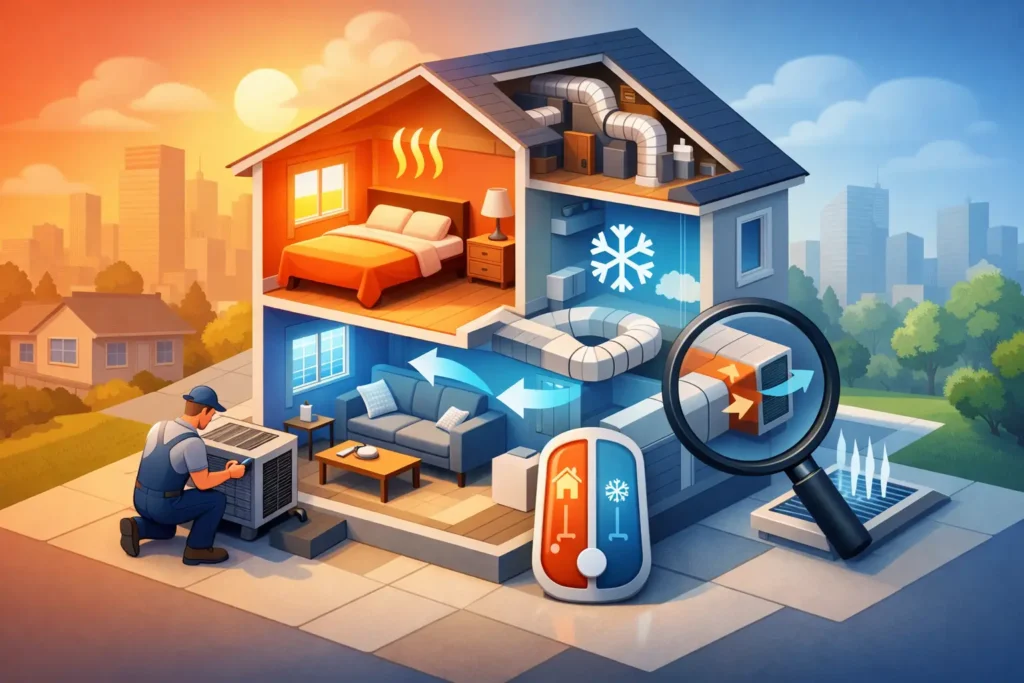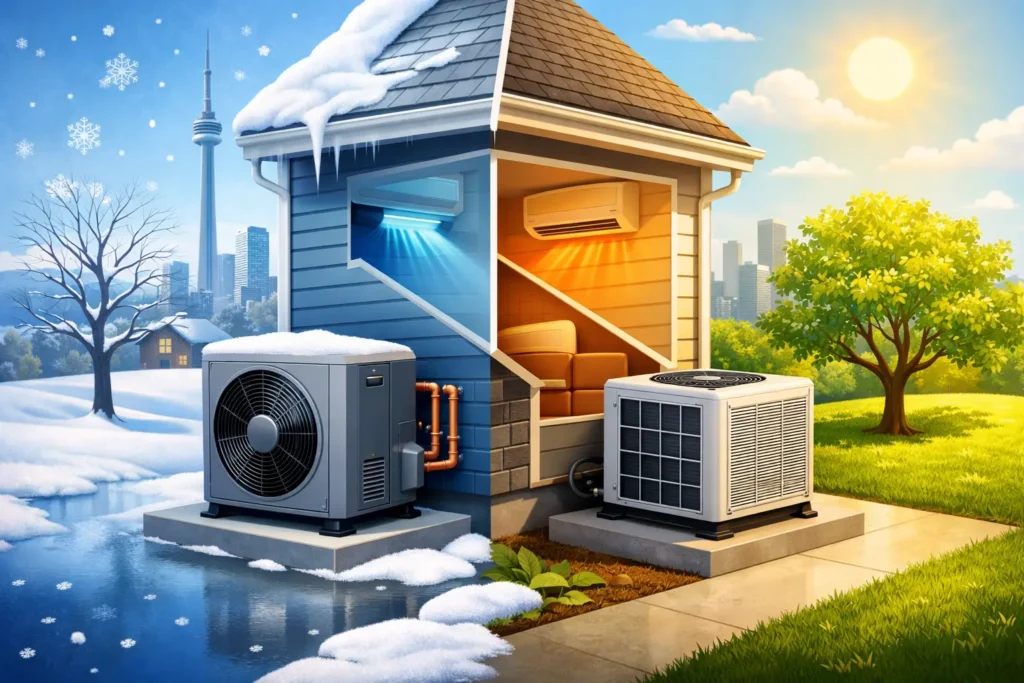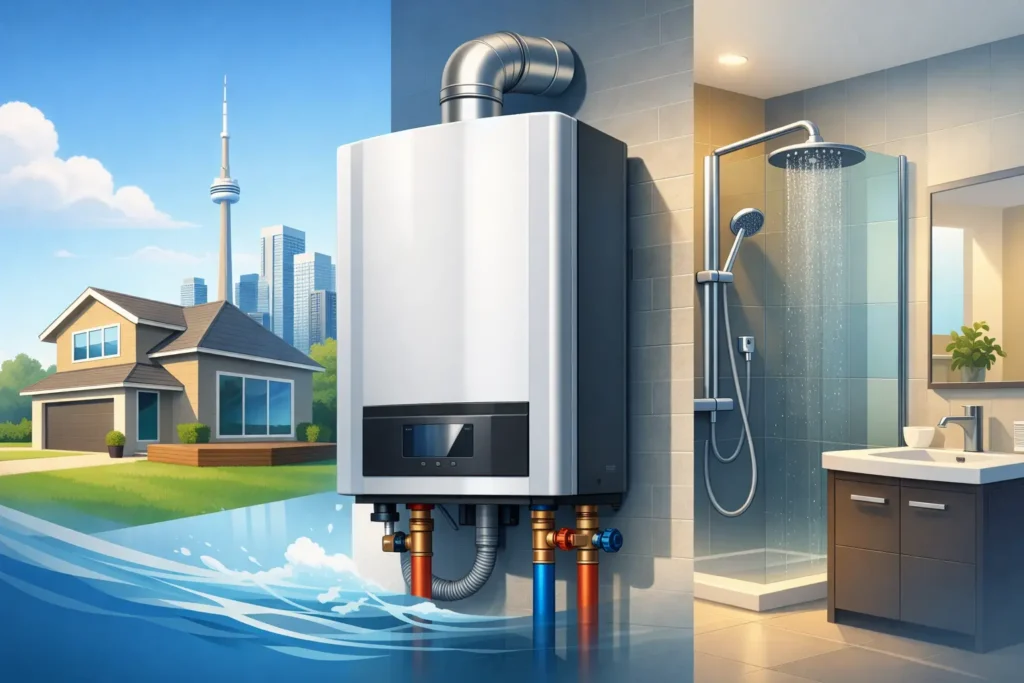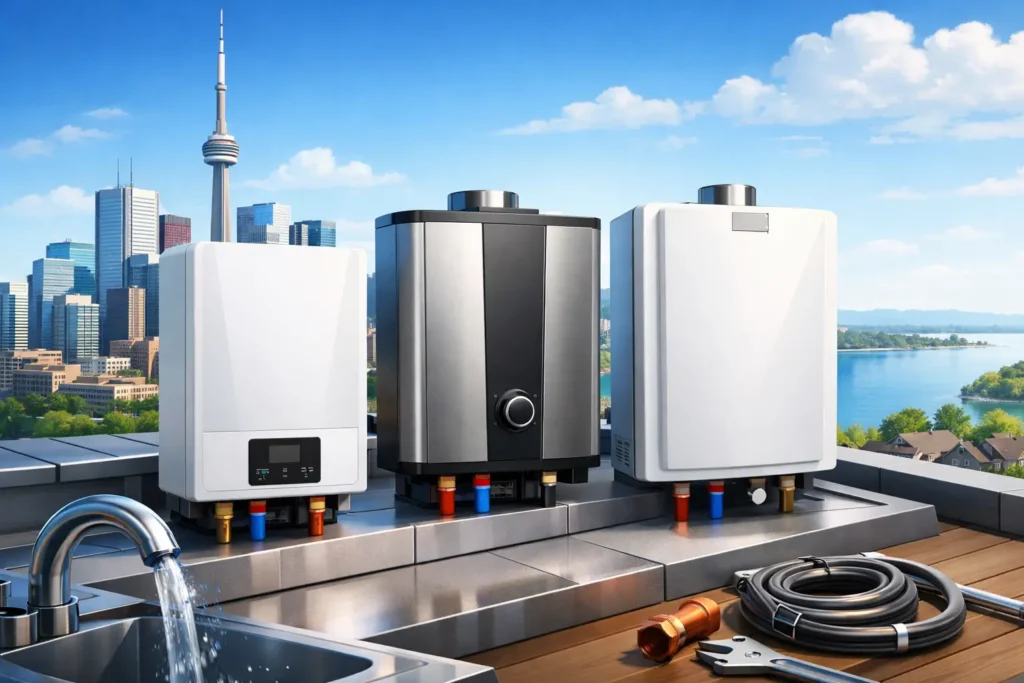
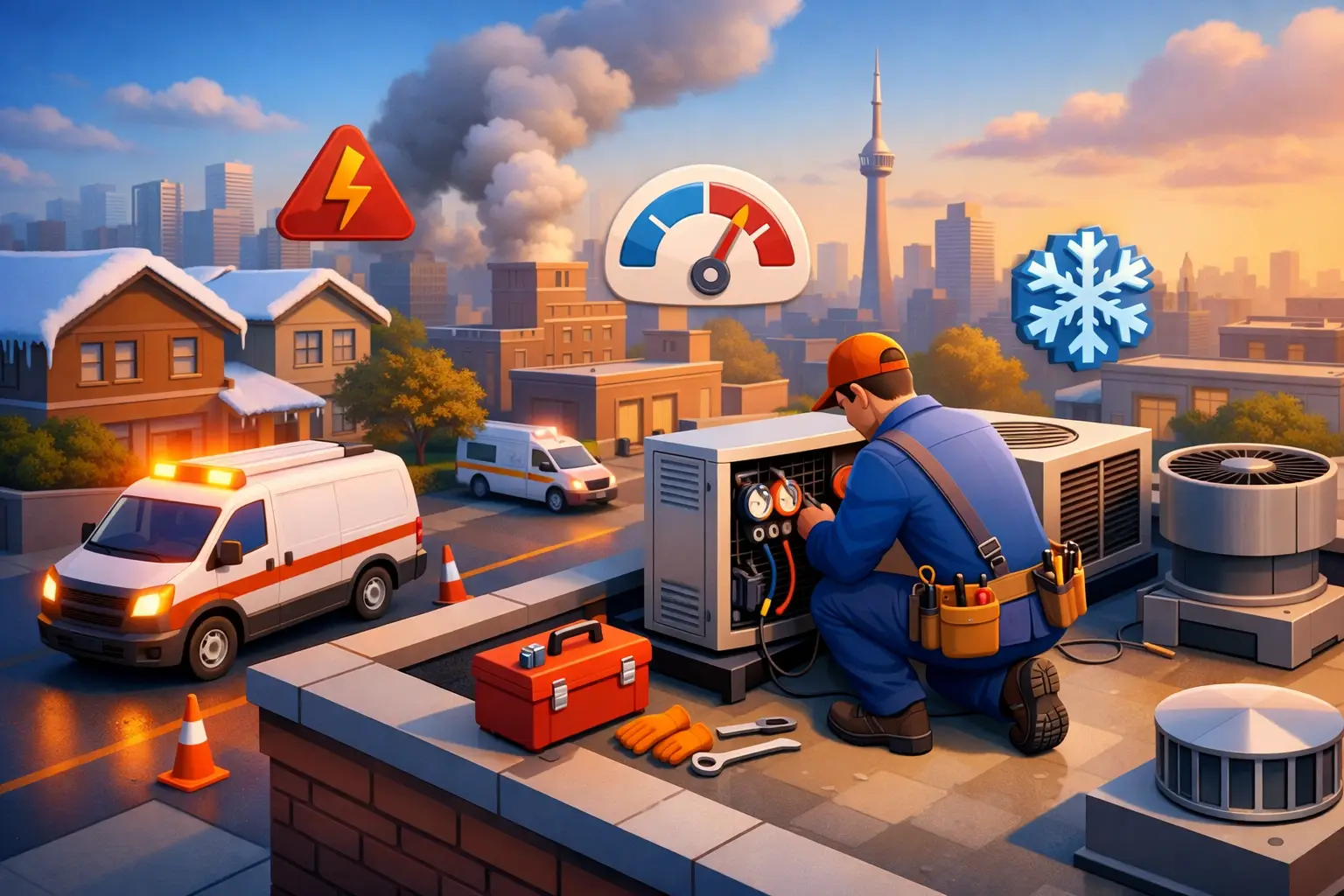
A furnace quitting during a Toronto cold snap, an air conditioner failing in a humid July heat wave, or a water heater leaking across the basement floor can turn into more than an inconvenience quickly. This guide to emergency HVAC service explains when to call for immediate help, what you can do safely while waiting, and how a qualified technician should handle the problem.
What Counts as an HVAC Emergency?
An HVAC emergency is a heating, cooling, or hot water problem that creates a safety risk, can cause property damage, or leaves your household without an essential service during severe weather. It is not always the same as an urgent repair. A noisy furnace that is still heating may be able to wait until regular hours, while a furnace that will not run during sub-zero weather should be assessed promptly.
In the GTA, weather matters. Losing heat overnight in January can put pipes at risk of freezing and make a home unsafe for young children, older adults, or anyone with health concerns. During a heat warning, a failed air conditioner can also become urgent, particularly where indoor temperatures are climbing and there is no other cool place for vulnerable family members to stay.
Water-related issues deserve fast attention as well. A leaking water heater, burst connection, or water pooling around a mechanical room can damage flooring, walls, stored belongings, and electrical components. The source may be a simple fitting, but it is not something to guess at while water continues to spread.
Call for emergency service right away when
Contact an emergency HVAC professional if you notice a strong gas smell near a furnace, water heater, or gas line; a carbon monoxide alarm has sounded; smoke, sparking, or a burning electrical smell is present; or your furnace has failed in dangerous cold. A significant water leak from a hot water tank or water heater is also an emergency, as is a complete loss of cooling during extreme heat where a household member may be at risk.
If you smell gas, leave the home immediately if it is safe to do so. Do not operate light switches, appliances, vehicles, or anything that could create a spark. Call your gas utility or emergency services from outside, then arrange HVAC service once the immediate safety concern is addressed.
A carbon monoxide alarm should always be treated as a real warning. Get everyone, including pets, into fresh air and call emergency services. Do not re-enter the home or restart the furnace simply because the alarm stops sounding.
What to Do Before the Technician Arrives
You do not need to diagnose the equipment to help prevent further damage. Start with the basics and stay within what is safe for a homeowner to do.
For a furnace or air conditioner that is not operating, check the thermostat setting, replace weak thermostat batteries if applicable, and look at the electrical panel for a tripped breaker. If a breaker trips again after being reset once, leave it off. Repeated tripping can point to an electrical fault, and forcing the system to run can make the repair more complicated.
If your furnace is running but blowing cool air, make sure the furnace filter is not visibly clogged and that supply and return vents are open. A blocked filter can contribute to overheating and airflow problems. Do not remove furnace panels, bypass safety switches, or attempt to relight equipment unless you have been specifically instructed to do so by a qualified professional.
For a water heater leak, turn off the water supply valve above the unit if you can reach it safely. Move valuables away from the area, use towels or a bucket to contain minor water, and avoid standing water near electrical outlets or equipment. If the leak is substantial, shut off the home’s main water supply if necessary.
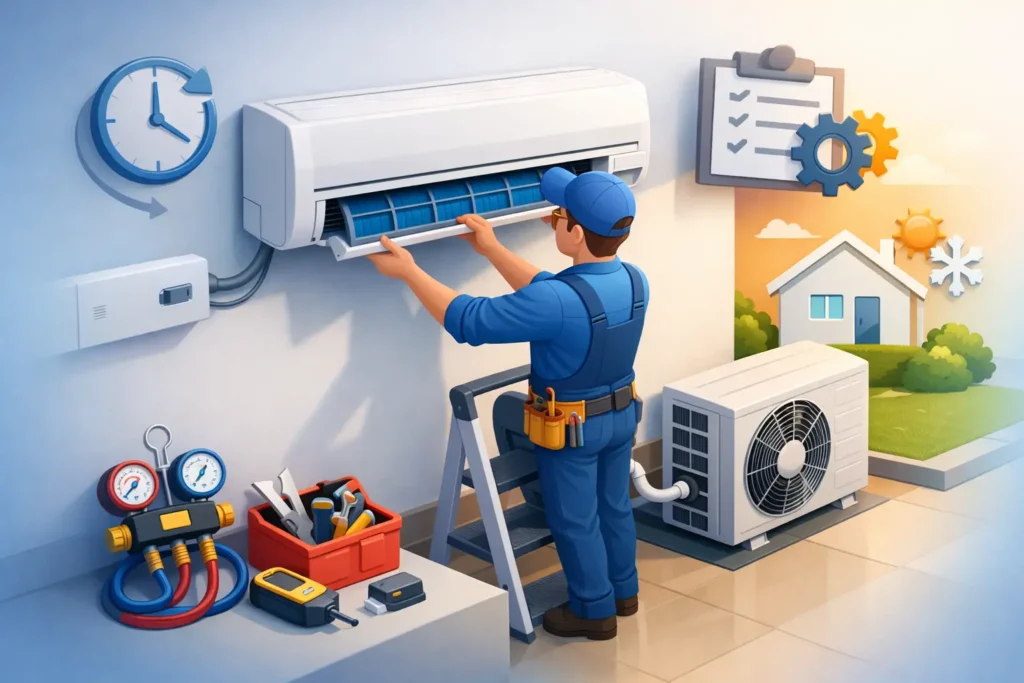
It also helps to make the service visit more efficient. Take note of any error code on the thermostat, furnace, heat pump, air conditioner, or water heater display. Record when the problem started, whether it is intermittent, and what you noticed first. Clear a safe path to the mechanical room, outdoor unit, or water heater, and keep pets in another room before the technician arrives.
What an Emergency HVAC Visit Should Include
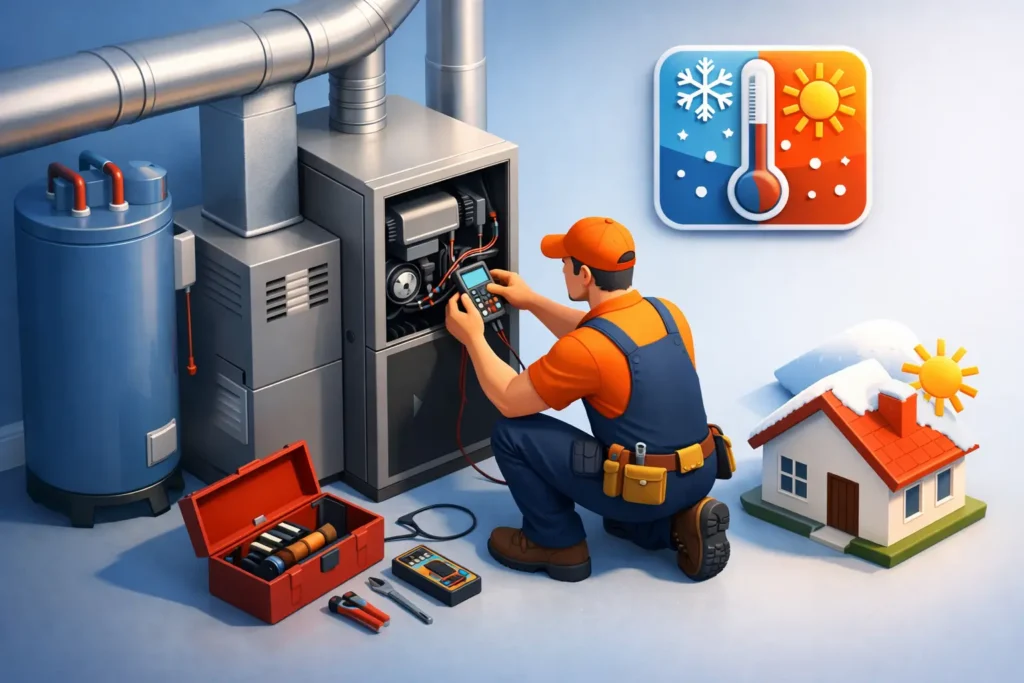
Emergency service should not feel like a mystery. A certified technician should first assess the immediate safety of the system and identify the likely cause of the failure. Depending on the issue, this may include checking electrical connections, gas supply, ignition components, drainage, airflow, controls, pressure readings, or the condition of a water heater tank and its fittings.
You should receive a clear explanation before repair work begins. That includes what has failed, what repair is recommended, whether there are options, and what the expected cost will be. A straightforward diagnosis is especially valuable when the system is older. A part replacement may restore heat today, but it may not be the best long-term investment if the equipment is near the end of its service life.
The right answer depends on the condition of the unit, the cost of the repair, the availability of parts, and your home’s needs. For example, a failed capacitor or igniter can often be a sensible repair. A cracked heat exchanger, a badly corroded water heater tank, or a major compressor failure may make replacement the safer or more practical choice.
A reputable contractor should not pressure you into replacing equipment that can reasonably be repaired. At the same time, they should be honest when a repair only postpones another costly breakdown. Easy Breezy HVAC Inc. focuses on direct explanations so homeowners can make a decision with the facts in front of them.
Emergency Furnace Problems in Winter
A furnace can stop working for reasons ranging from a dirty filter or blocked condensate drain to a failed igniter, pressure switch issue, control board fault, or gas supply problem. Modern high-efficiency furnaces have safety features that shut the system down when they detect an unsafe operating condition. That can be frustrating in the moment, but it is preferable to a furnace continuing to run improperly.
While waiting for service, keep interior doors open where practical to circulate any remaining heat. Close curtains and blinds to reduce heat loss, but do not block vents. If temperatures are falling, open cabinet doors beneath sinks on exterior walls to allow warmer air around plumbing. A small, approved space heater can help in an occupied room, but keep it clear of bedding, furniture, curtains, and extension cords. Never use an oven, barbecue, or fuel-burning appliance to heat the home.
If your furnace has been off for an extended period during severe cold, tell the technician. They may need to consider the risk of frozen pipes as part of the situation.
Emergency Air Conditioning and Heat Pump Issues
Not every summer cooling issue requires an overnight call. If the air conditioner is cooling poorly but your home remains safe and comfortable, a next-day appointment may be reasonable. However, a system that has stopped completely during a heat alert can be urgent for households with infants, seniors, or people with medical conditions.
Turn the thermostat off if the system is making loud mechanical noises, producing a burning smell, or repeatedly tripping the breaker. Continuing to operate a struggling air conditioner or heat pump can damage the compressor. If you see ice on refrigerant lines or the indoor coil area, turn cooling off and set the fan to ON if it operates normally. Ice usually signals an airflow or refrigerant issue that needs professional assessment, not a quick adjustment.
Until help arrives, close blinds on sunny windows, use fans to improve air movement, drink water, and move to a cooler area of the home if possible. If indoor heat is becoming unsafe, arrange a temporary place to stay rather than waiting it out.
Water Heater Emergencies Need Fast Decisions
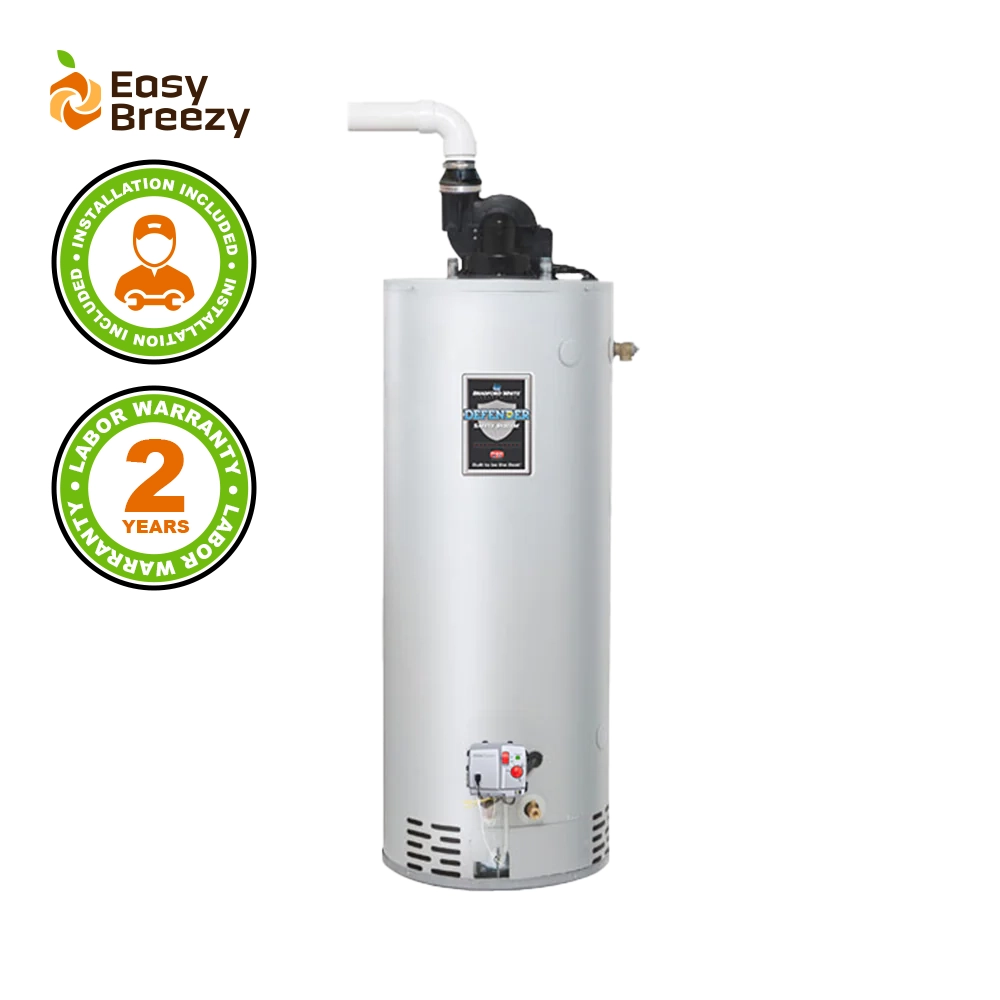
No hot water is inconvenient, but it is not always an emergency. A leak, however, can be. Tank-style water heaters can fail slowly through corrosion or suddenly through a ruptured tank. Tankless and power vent water heaters have different components, but drainage, venting, gas, electrical, and water connections all need to be checked carefully.
Never ignore a water heater that is leaking from the tank body, producing unusual sounds, showing discoloured water alongside leakage, or creating a gas odour. Do not attempt to patch a tank or modify venting. A technician can determine whether a repair is appropriate or whether replacement is necessary, then explain available equipment options and installed pricing clearly.
How to Reduce Future Emergency Calls
Most breakdowns cannot be predicted with certainty, but regular maintenance lowers the chance of a surprise failure. Change or clean filters on schedule, keep outdoor air conditioner and heat pump units clear of leaves and snow, and book annual professional maintenance for gas heating equipment. Water heaters should also be inspected before a small drip becomes a damaging leak.
Pay attention to smaller changes: longer heating cycles, uneven room temperatures, unusual smells, water around equipment, new noises, or rising utility bills. Addressing these early often gives you more repair options and more time to compare replacement systems without the pressure of an emergency.
When a breakdown happens, focus first on safety, then clear information. A calm call, a safe shutoff where appropriate, and a qualified technician can turn a stressful home comfort problem into a practical next step.