A heating system rarely fails at a convenient time. It usually happens during a January cold snap, when the house feels chilly, the furnace is making new noises, and every homeowner in the GTA is calling for service. This home heating replacement guide can help you make a clear decision before an urgent breakdown forces a rushed one.
For Toronto-area homeowners, replacement is about more than choosing the highest-efficiency unit on a spec sheet. Your home’s ductwork, insulation, fuel source, electrical capacity, budget, and comfort preferences all matter. The right system should heat your home dependably, fit the property properly, and come with an installation you can trust.
When Is It Time to Replace Your Heating System?
Age is a useful starting point, but it should not be the only factor. Many gas furnaces can operate for 15 to 20 years with proper maintenance. As they get older, however, repairs may become more frequent, parts can become harder to source, and efficiency can decline.
A repair may still be sensible when the issue is isolated and the equipment is otherwise in good condition. A failed igniter, pressure switch, or blower component does not automatically mean you need a new furnace. Replacement becomes a stronger option when repair costs are adding up, the heat is inconsistent, utility bills are climbing without another explanation, or the unit is nearing the end of its expected service life.
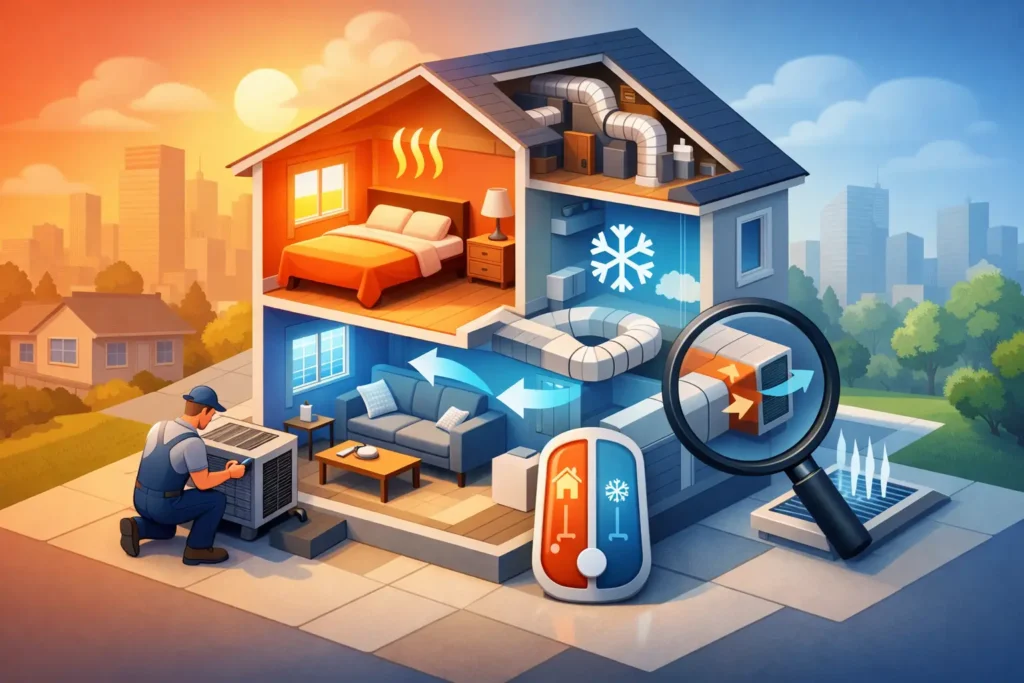
Pay attention to comfort problems as well. Cold bedrooms, excessive cycling, dry air, unusual smells, rattling, or a furnace that struggles to maintain temperature can point to an equipment issue. They can also indicate ductwork, thermostat, airflow, or insulation concerns. A qualified technician should explain the cause before recommending a replacement.
Home Heating Replacement Guide: Start With Your Home
The best replacement is not simply the same size as your old furnace. Older equipment may have been oversized from the beginning, while renovations, new windows, air sealing, or finished basement space may have changed your home’s heating needs.
A proper recommendation considers your home’s square footage, layout, insulation levels, window exposure, duct design, and heat loss. In the GTA, this matters because winter temperatures can change quickly, and a system that looks adequate on paper may not provide even comfort in every room.
Oversizing causes its own problems. A furnace that is too large can heat the home too quickly, turn on and off frequently, and create uneven temperatures. Undersizing can leave the system running for long periods without reaching the set temperature. The goal is steady, reliable heat rather than the biggest possible unit.
If you are replacing a furnace, ask whether the existing ductwork can support the new system. Modern high-efficiency furnaces may require adjustments to airflow, venting, condensate drainage, or return-air capacity. These details affect performance and should be included in the installation plan, not treated as surprises after the work begins.
Choosing Between a Gas Furnace and Heat Pump
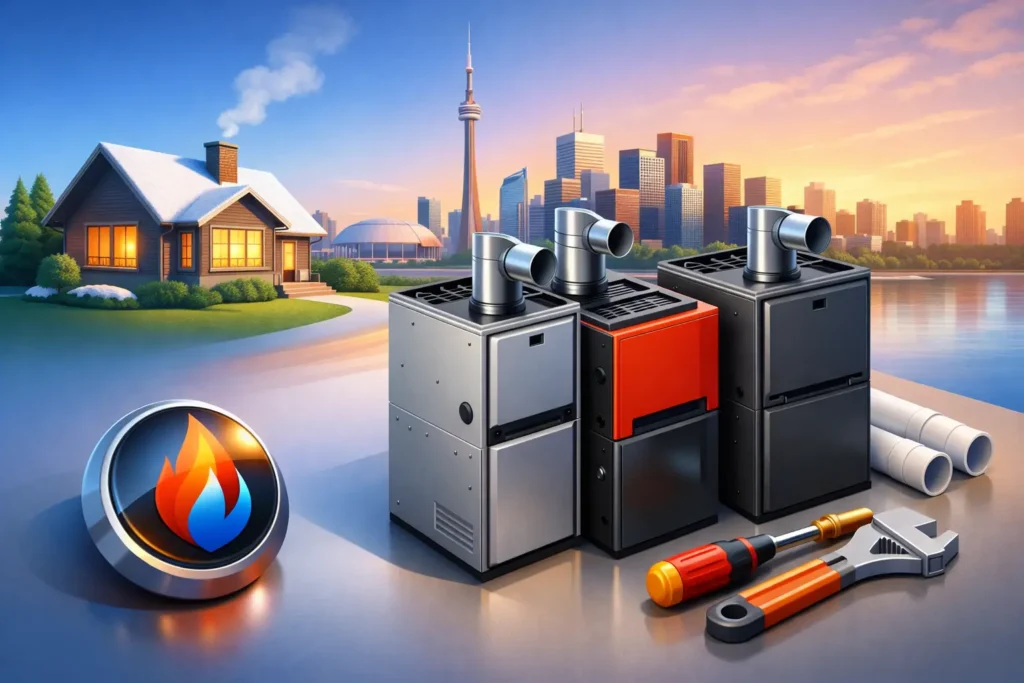
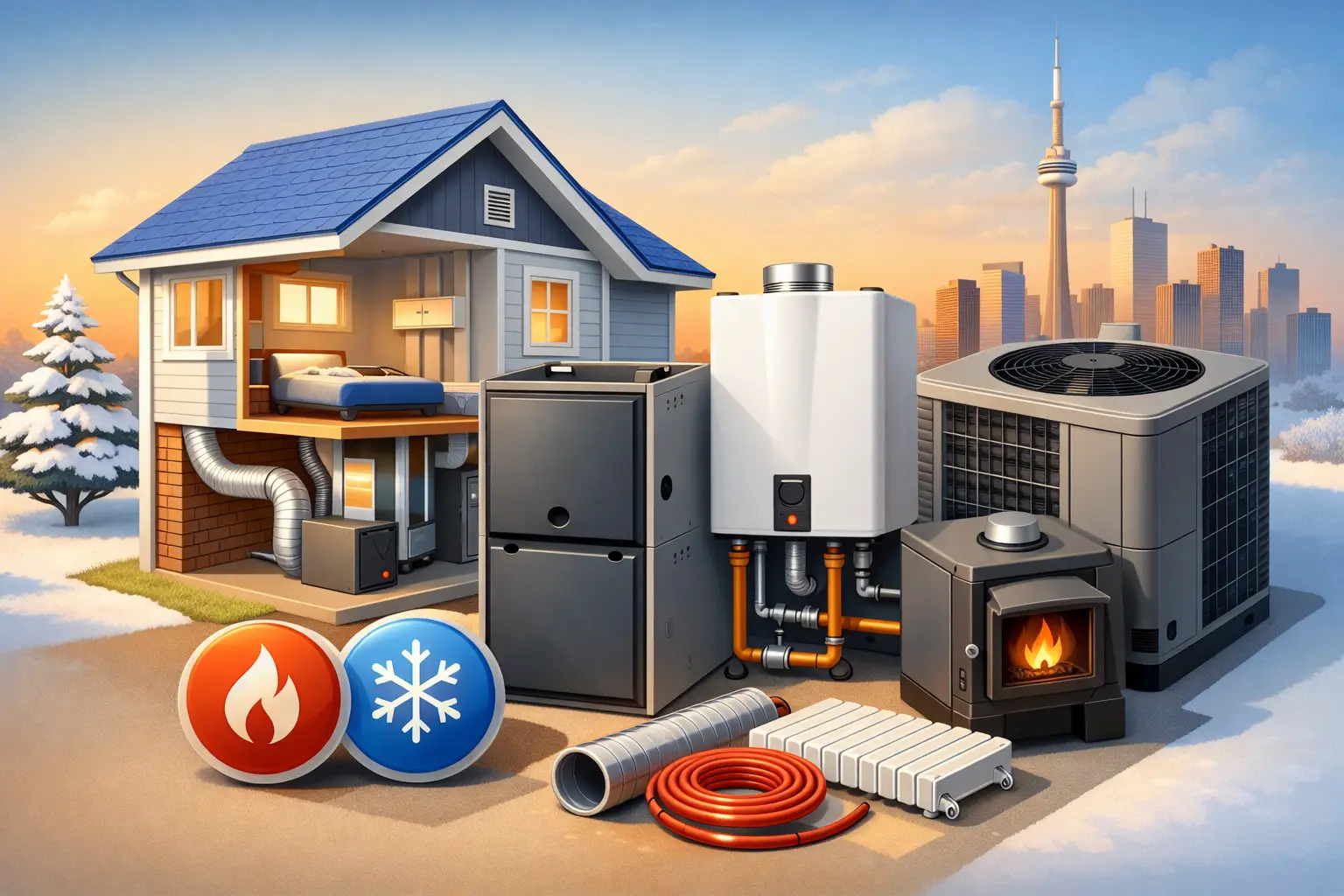
For many GTA homes, a high-efficiency gas furnace remains a practical, dependable heating choice. It provides strong heat during very cold weather, works with existing gas infrastructure, and can be a straightforward replacement when the home already has compatible ductwork and venting.
Look at the furnace’s annual fuel utilization efficiency, often called AFUE. A higher AFUE means more of the fuel consumed is converted into heat for your home. Efficiency matters, but the right installation and proper sizing matter just as much. An efficient furnace installed incorrectly will not deliver the comfort or savings you expect.
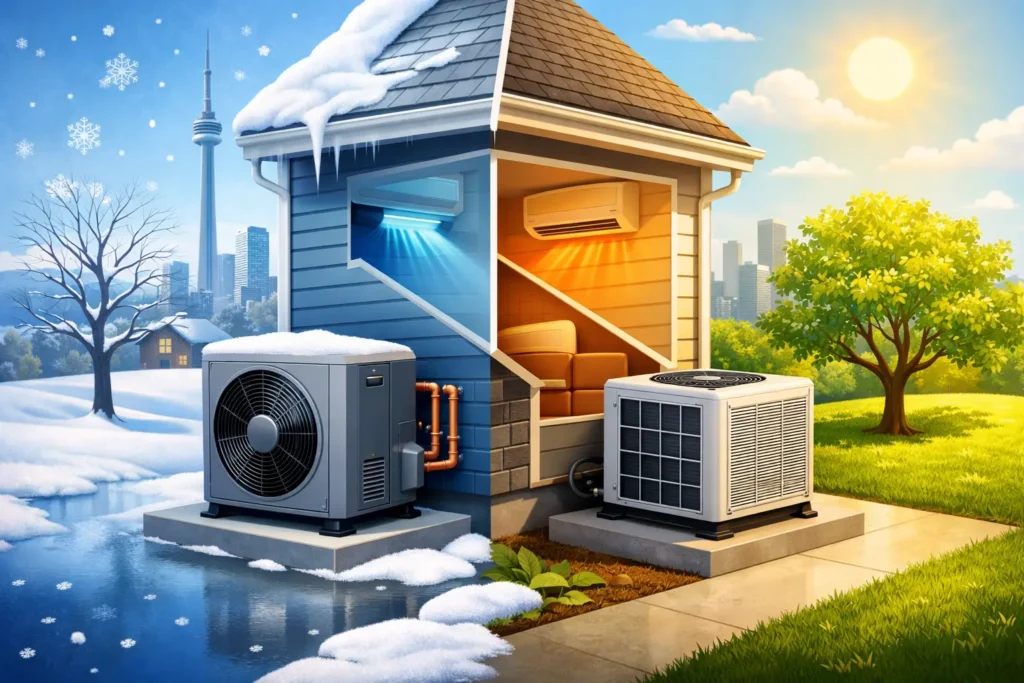
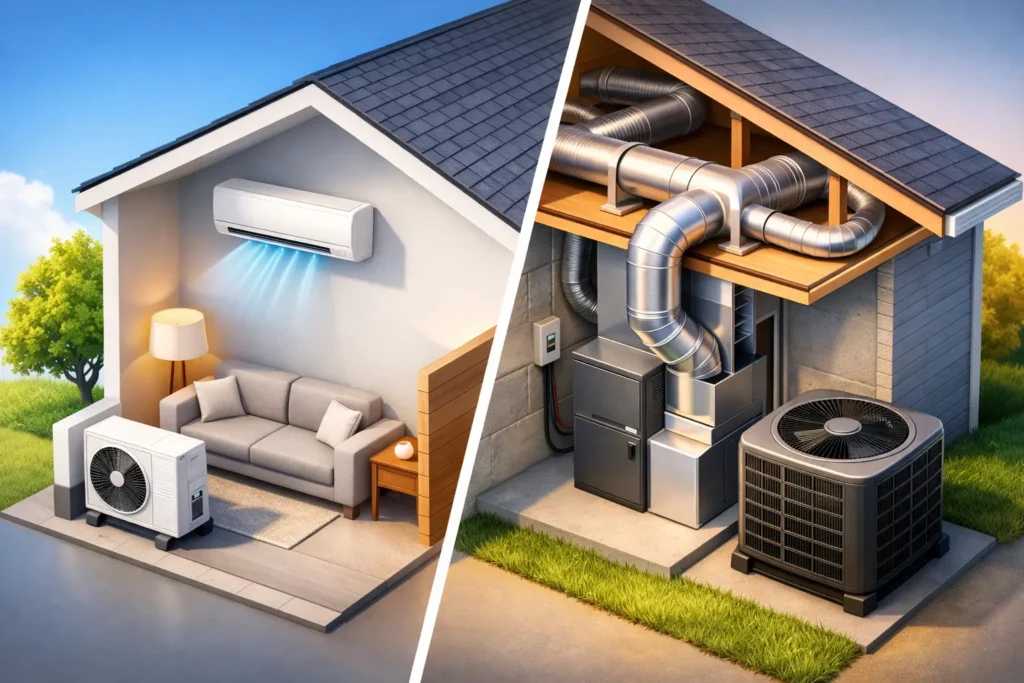
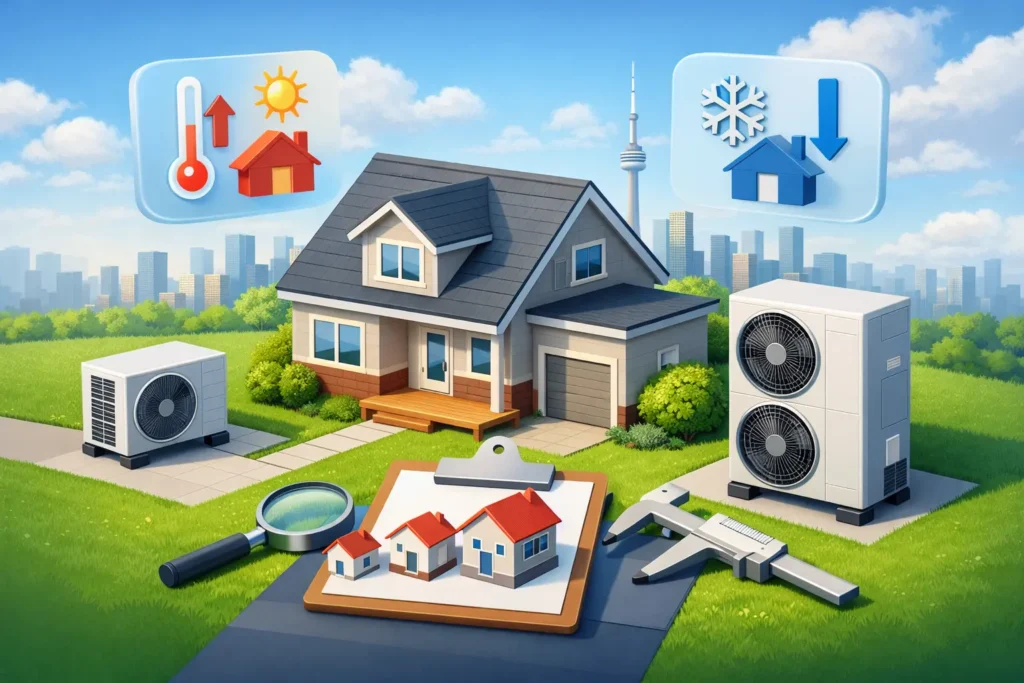
Cold-climate heat pumps are another option worth considering. A heat pump provides heating in winter and cooling in summer by moving heat rather than creating it through combustion. It can reduce reliance on natural gas and offer efficient operation during much of the heating season.
The trade-off is that heat pump performance, operating cost, and installation requirements depend on the model, outdoor temperatures, electrical setup, and the home itself. Some homes need electrical upgrades or duct modifications. In very cold conditions, a heat pump may also work alongside a gas furnace or another backup heat source. This dual-fuel approach can offer flexibility, but it is not necessary for every household.
The most useful question is not, “Which system is best?” It is, “Which system makes the most sense for this home, this budget, and the way our family uses it?” A clear answer should include equipment options, installation requirements, and realistic operating considerations.
What a Complete Heating Replacement Should Include
Comparing quotes can be difficult when one price includes the full scope of work and another only lists the equipment. A lower initial number may not include essential materials, venting changes, permits, disposal, electrical work, or commissioning.
Before approving a replacement, make sure you understand what is included. A complete installation typically addresses the equipment, removal of the old unit, required gas or electrical connections, venting, drainage, thermostat compatibility, start-up testing, and a walkthrough of how to operate the new system.
For a furnace installation, high-efficiency equipment often requires PVC intake and exhaust venting, along with a condensate line. The technician should confirm that these components are routed safely and appropriately for your property. If your home uses a chimney vent or older configuration, the replacement may involve changes that affect the final scope and price.
Permits and code compliance are also part of professional work. Homeowners should not have to guess whether gas piping, venting, or electrical connections were completed correctly. Certified installation protects your comfort, your equipment warranty, and your household’s safety.
How to Compare Heating Replacement Prices
Price matters, especially when a replacement was not planned. Still, the cheapest equipment option is not always the lowest-cost decision over time. Compare the total installed price, efficiency rating, warranty coverage, expected maintenance needs, and whether the system suits your home.
Transparent pricing is valuable because it lets you compare real equipment models instead of making a decision based on vague promises. Ask for a direct explanation if the price changes due to site conditions. There may be legitimate reasons, such as a needed venting change, damaged ductwork, or an electrical requirement, but those costs should be explained clearly before work begins.
Warranty protection should be part of the conversation. Manufacturer parts warranties vary by model and registration requirements. Labour coverage is separate and equally important, since installation quality has a direct impact on system reliability. Easy Breezy HVAC Inc. provides a 2-year free labour warranty to give homeowners added confidence after installation or repair.
Plan Ahead If Your Furnace Still Runs
If your current heating system is working but showing its age, replacing it before it fails gives you more control. You can compare system types, review pricing, schedule the work at a convenient time, and avoid making a major decision while your home is cold.
Maintenance can also help you plan. An annual service visit may reveal declining components, unsafe operation, restricted airflow, or signs that the furnace is approaching replacement. It does not mean replacement is always required, but it gives you information early enough to make a calm decision.
Homeowners should also check their thermostat settings and replace or clean filters as recommended. A clogged filter can restrict airflow and make a healthy furnace appear to be struggling. If rooms are unevenly heated, ask whether the problem is caused by the furnace itself, duct balancing, blocked vents, or inadequate insulation.
Questions Worth Asking Before Installation
A reliable contractor should be comfortable answering direct questions. Ask which equipment models fit your home, why a certain size is being recommended, what the full installed price includes, and whether any upgrades may be needed. You should also know who will perform the work, what testing will happen at start-up, and how warranty service is handled.
For a heat pump, ask how it will perform during colder weather, whether backup heat is recommended, and whether your electrical panel has sufficient capacity. For a furnace, ask about efficiency, venting changes, airflow requirements, and thermostat compatibility. Straight answers are a good sign that the recommendation is based on your home rather than a one-size-fits-all sales pitch.
A heating replacement should leave you with more than new equipment in the basement or utility room. It should give your household dependable warmth, understandable operating costs, and confidence that help is available if something needs attention. Taking time to assess your options now can make the next cold GTA morning feel much less stressful.