A heating bill usually does not jump for no reason. If your winter costs are creeping up in Toronto or across the GTA, there is usually a clear cause behind it – heat escaping through the home, equipment working harder than it should, or a system that is simply too old to run efficiently. Knowing how to lower heating bills starts with finding where your home is losing money, then fixing the biggest issues first.
For most homeowners, the fastest savings do not come from one dramatic change. They come from a mix of small adjustments, overdue maintenance, and, in some cases, replacing aging equipment before it turns into an expensive problem. The right approach depends on the age of your furnace, how evenly your home heats, and how much of your bill is being driven by the building itself versus the heating system.
How to lower heating bills without sacrificing comfort
A lot of people assume saving money means setting the thermostat low and living in a cold house. In reality, the goal is to keep heat where it belongs and make your equipment run more efficiently. That is a very different problem, and a much better one to solve.
Start with the basics inside the house. If air is leaking around windows, doors, attic hatches, and older basement areas, your furnace or heat pump has to replace that lost heat over and over. You may still reach the temperature on the thermostat, but the system will run longer to get there. Sealing obvious drafts and improving insulation can lower energy use without changing how comfortable the home feels.
Your thermostat settings matter too, but there is a balance. Dropping the temperature a little at night or when the house is empty can help. Going too low can backfire in some homes, especially older ones with poor insulation, because the system then has to work much harder to recover. A modest setback is usually more practical than extreme temperature swings.
The hidden reasons heating costs go up
High heating bills are often blamed on utility rates alone, but equipment condition plays a big role. A furnace with a clogged filter, dirty burners, restricted airflow, or worn parts will not operate at its best. Even if it still turns on and produces heat, it may be using more energy than necessary.
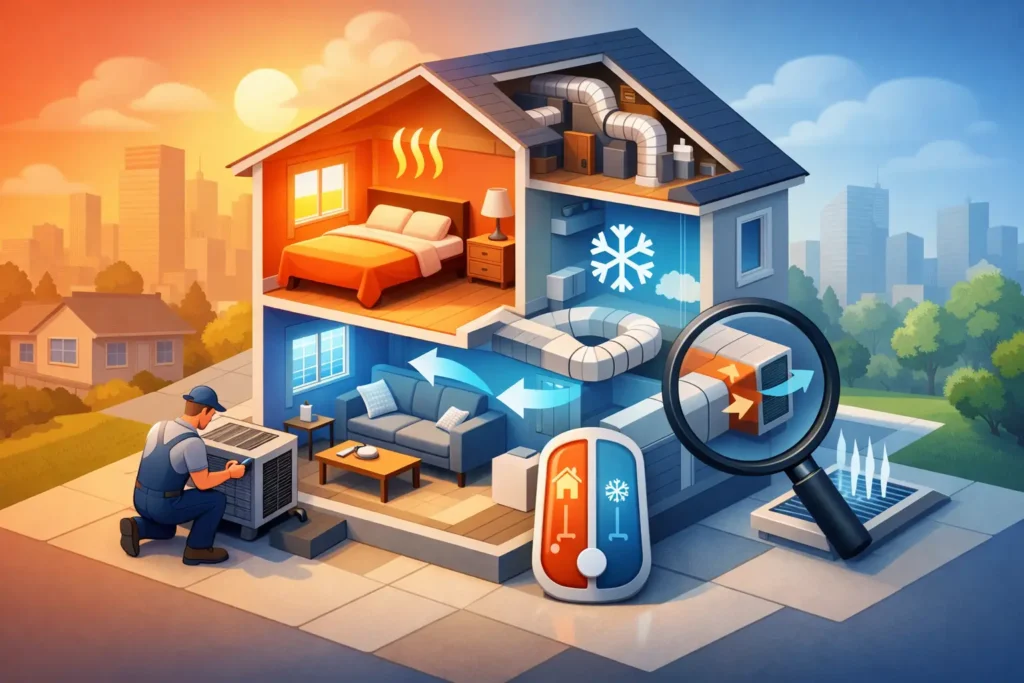
Uneven heating is another warning sign. If one level of the house is warm and another is always cold, your system may be fighting duct issues, airflow problems, thermostat placement problems, or insulation gaps. Homeowners often respond by raising the thermostat, which increases the bill without actually fixing the cause.
Age matters as well. Older furnaces can still run, but running is not the same as running efficiently. When repair calls become more frequent, or when winter bills keep rising without a clear explanation, it is worth looking at whether the unit is costing you more every month than it should.
Your filter affects more than air quality
A neglected filter is one of the simplest and most common reasons for higher heating costs. When airflow is restricted, the system has to work harder to move warm air through the home. That can increase energy use and put added strain on the blower motor and other components.
For many households, checking the filter monthly during heating season makes sense, especially if you have pets, a busy home, or recent renovations. Some filters last longer than others, so the right replacement schedule depends on the filter type and your home conditions. The key is not guessing and forgetting about it for six months.
Ductwork can waste heat before it reaches you
In some homes, especially older ones, heated air leaks into unconditioned spaces through gaps in the ductwork. That means you are paying to heat areas that do not need it while the rooms you use stay cooler than they should. Duct problems can also cause poor airflow to certain vents and make the system run longer.
This is not always a DIY issue. If parts of the house are consistently underheated, a professional inspection can tell you whether the problem is the equipment itself or the distribution of warm air through the home.
Smart, low-cost ways to reduce winter heating use
If you want immediate ways to lower your heating bill, focus first on changes that cost little and are easy to maintain. Keep vents clear of furniture and drapes so warm air can circulate properly. Close curtains at night to reduce heat loss through windows, then open them during sunny hours if your home gets direct winter sun.
Humidity also affects comfort. Dry winter air can make a home feel colder than it is, which leads people to turn up the thermostat. In some houses, balanced humidity can make the same temperature feel more comfortable. That said, more humidity is not always better. Too much can create window condensation and moisture issues, so the setting needs to match the outdoor temperature and the home itself.
Another practical step is paying attention to thermostat location and behaviour. If the thermostat sits near a drafty area, direct sunlight, or a source of heat, it may read the space inaccurately and cause unnecessary cycling. A smart thermostat can help in many homes, but only if it is programmed properly and matched to the heating system.
When maintenance makes the biggest difference
Seasonal maintenance is not just about avoiding breakdowns. It is one of the clearest ways to improve efficiency, safety, and reliability. A heating system that is cleaned, inspected, and adjusted before winter generally performs better than one that is left untouched year after year.
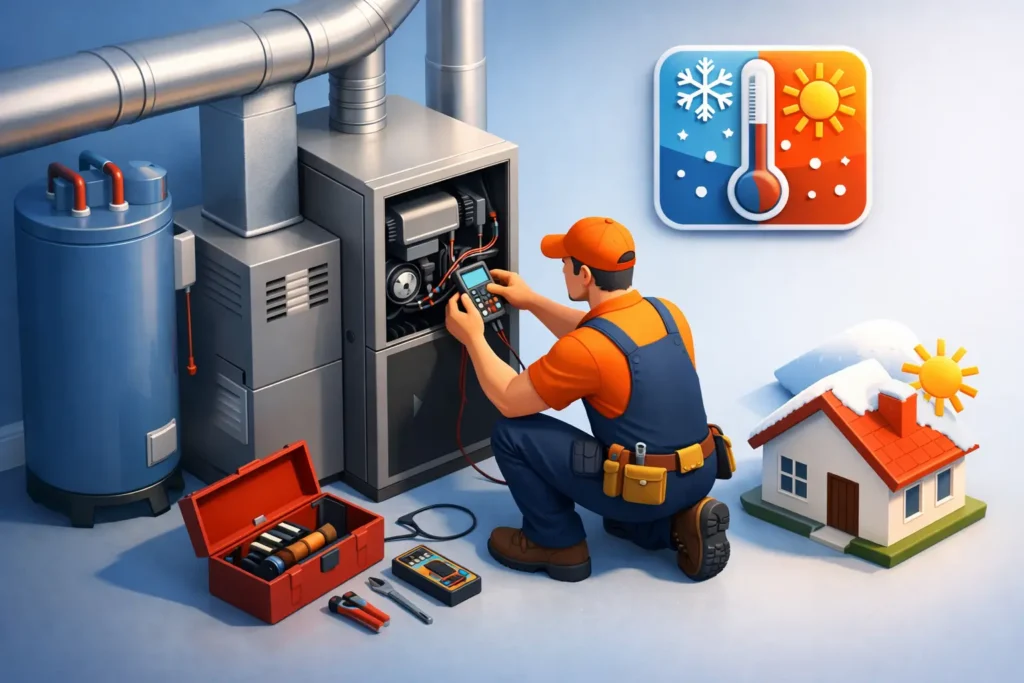
A professional maintenance visit can catch issues such as burner problems, airflow restrictions, ignition issues, thermostat calibration concerns, and wear on key components. Small problems are usually cheaper to correct before they affect performance or lead to a no-heat call in the middle of January.
For GTA homeowners, this matters because local winters put real demand on heating equipment. A system that is slightly inefficient in November may become noticeably expensive by February.
How to lower heating bills with equipment upgrades
Sometimes the home is not the main problem. Sometimes the heating equipment is. If your furnace is older, noisy, unreliable, or expensive to run, replacing it may deliver better long-term value than continuing to repair it.
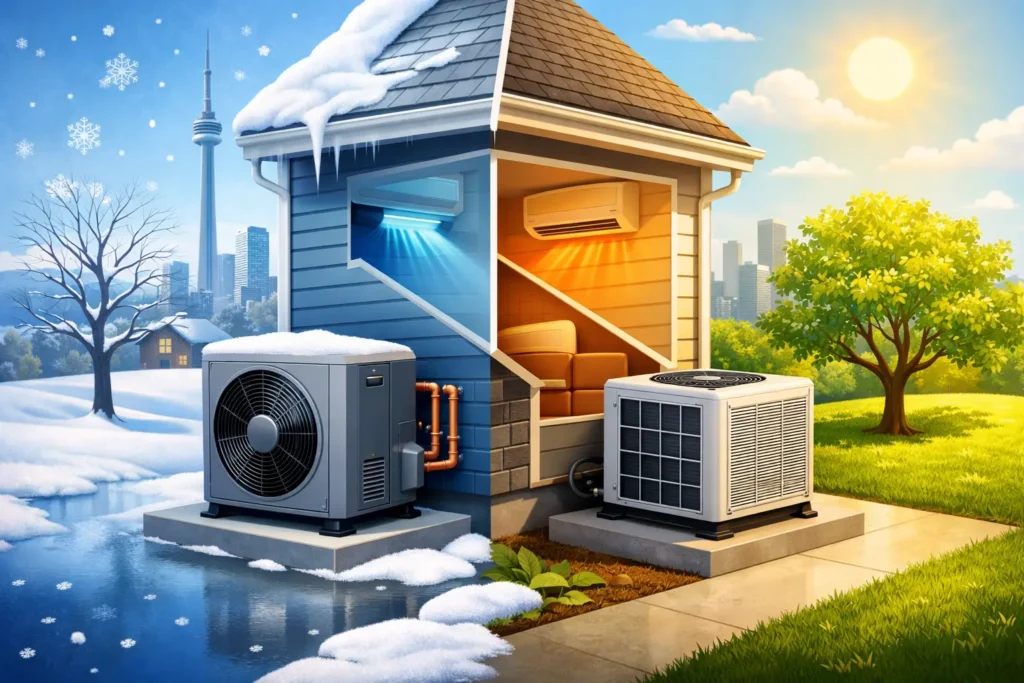
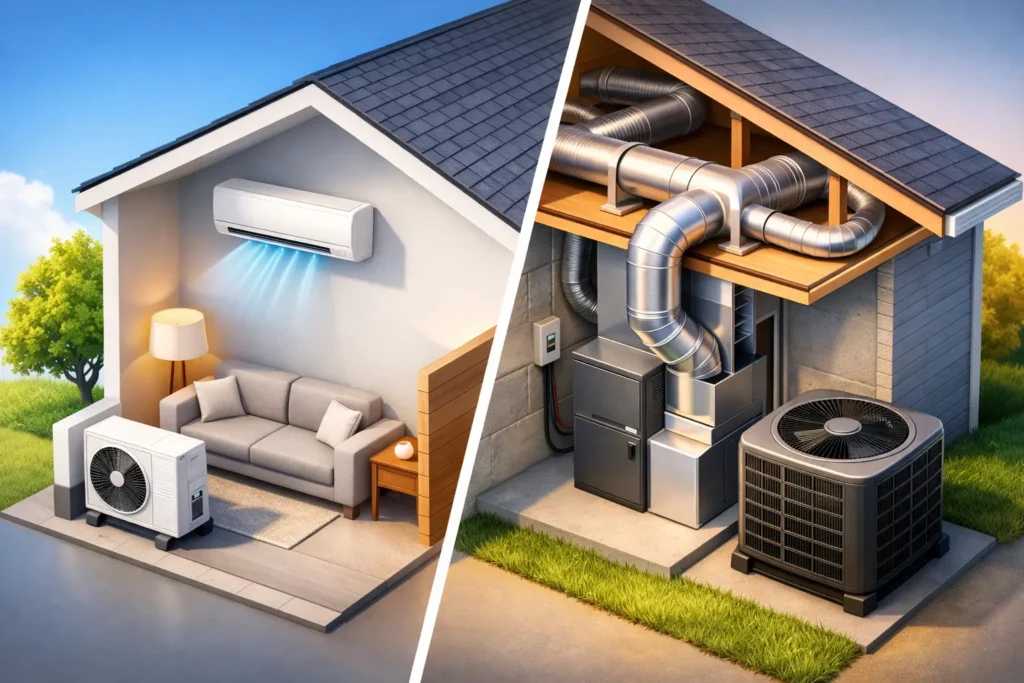
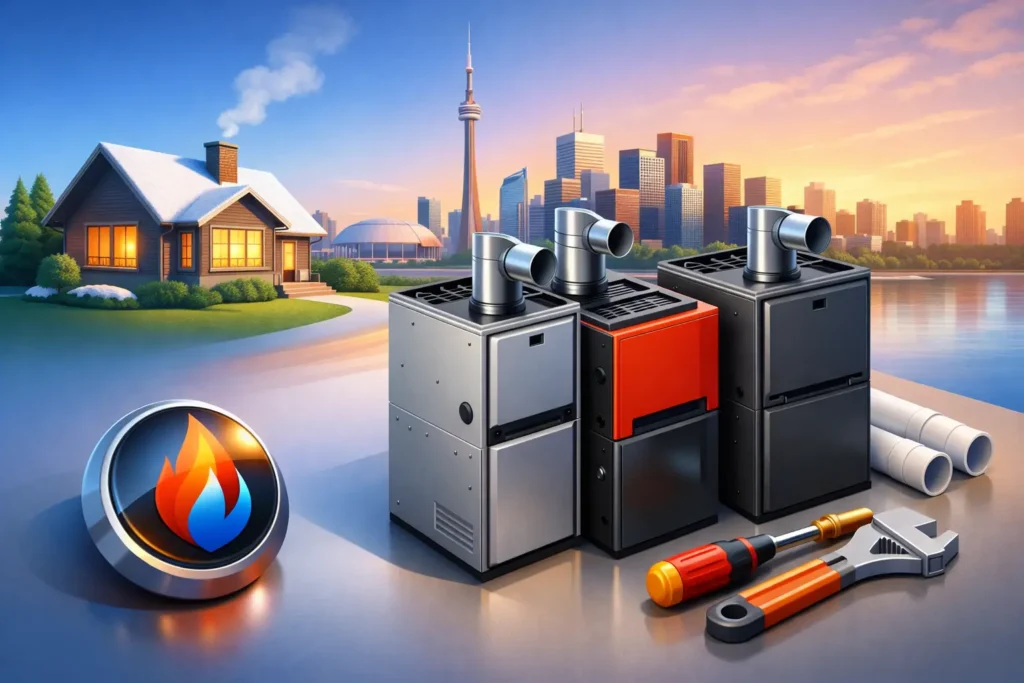
High-efficiency furnaces use less fuel to produce the same level of heat, and modern systems often provide better temperature control as well. Heat pumps are also becoming a more common option for homeowners looking to improve year-round efficiency, especially when paired properly with the home and climate.
The right choice depends on your current setup, fuel source, home size, and comfort expectations. There is no single answer that fits every property. A newer system can lower heating costs, but only if it is sized and installed correctly. Oversized or poorly configured equipment can create comfort issues and waste energy even when the unit itself is efficient.
This is where transparent advice matters. Homeowners should be able to understand what they are buying, what it costs, and why a certain system is being recommended. That practical, no-pressure approach is one reason many GTA homeowners look to companies like Easy Breezy HVAC when comparing replacement options.
Repair or replace?
If your heating system is still fairly new and the issue is isolated, a repair may be the sensible choice. If the unit is older and your heating bills keep climbing while comfort drops, replacement often deserves a serious look. The decision is rarely just about the price of the repair call. It is about the total cost of keeping an inefficient system alive.
A good rule is to look at the full picture: age, repair frequency, winter energy use, and whether the home is actually staying comfortable. Saving money month to month is useful, but so is reducing the risk of an unexpected breakdown during a cold snap.
Focus on the biggest losses first
Homeowners sometimes spend money on small upgrades while bigger problems go untouched. That usually leads to frustration. If your attic lacks insulation, your ducts leak, or your furnace is near the end of its life, those issues will outweigh minor adjustments like vent covers or short thermostat experiments.
The most cost-effective path is usually to fix what is wasting the most heat first, then improve the system around it. In one home, that may mean sealing air leaks and replacing filters regularly. In another, it may mean upgrading an older furnace or exploring a heat pump. It depends on where your money is actually going.
Lower heating costs should not come at the expense of comfort, safety, or reliability. A warm home that runs efficiently is the real target. If your bills feel too high, that is usually your house or your heating system telling you something worth addressing before the next cold stretch arrives.