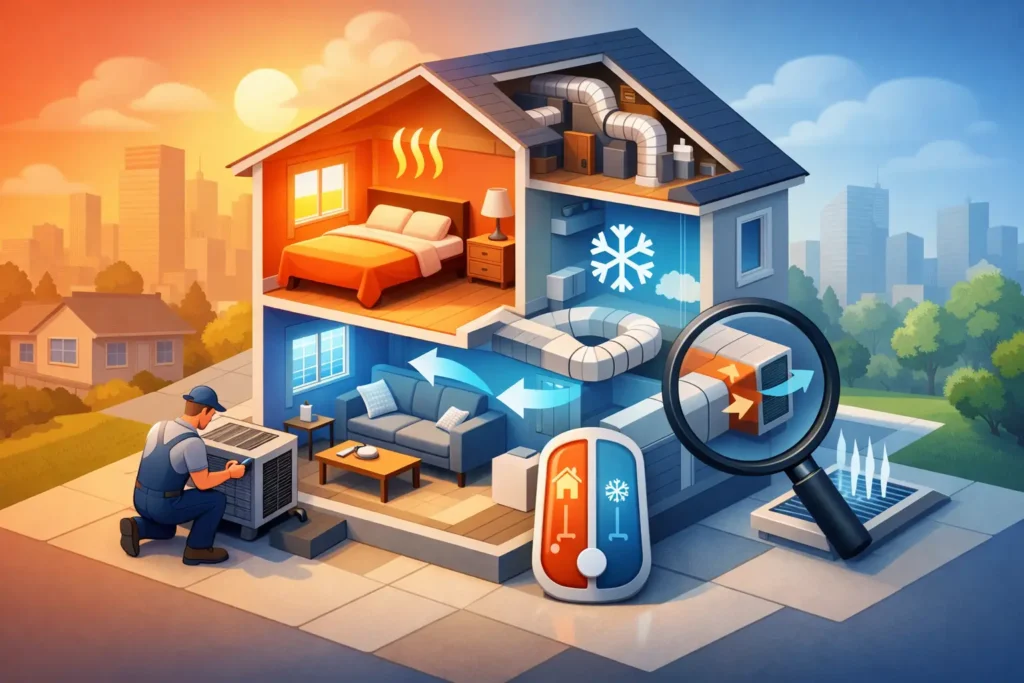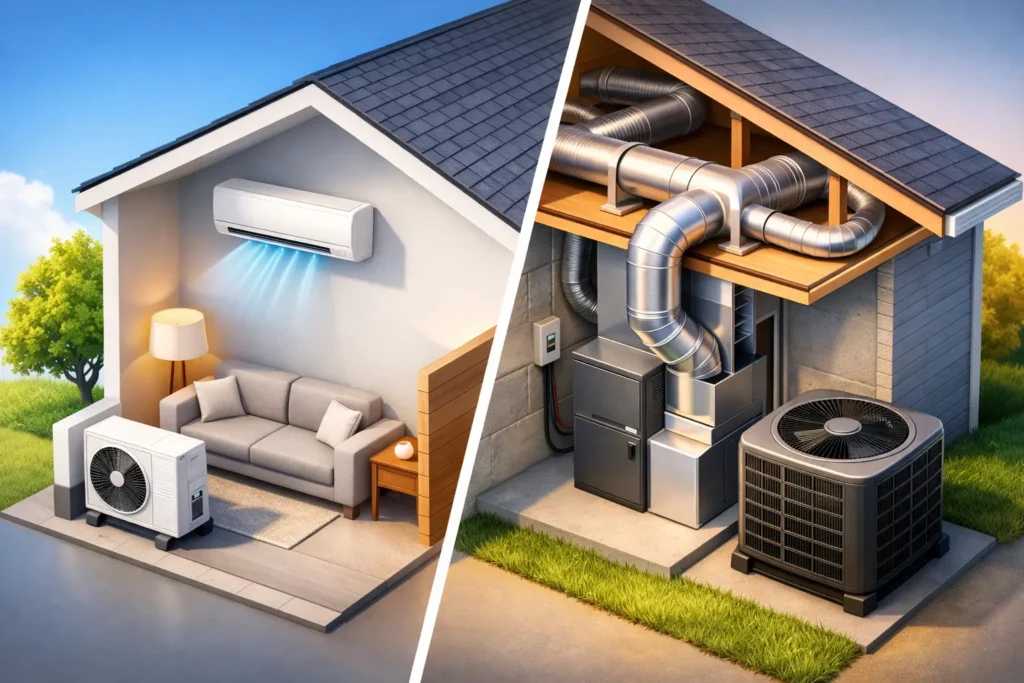
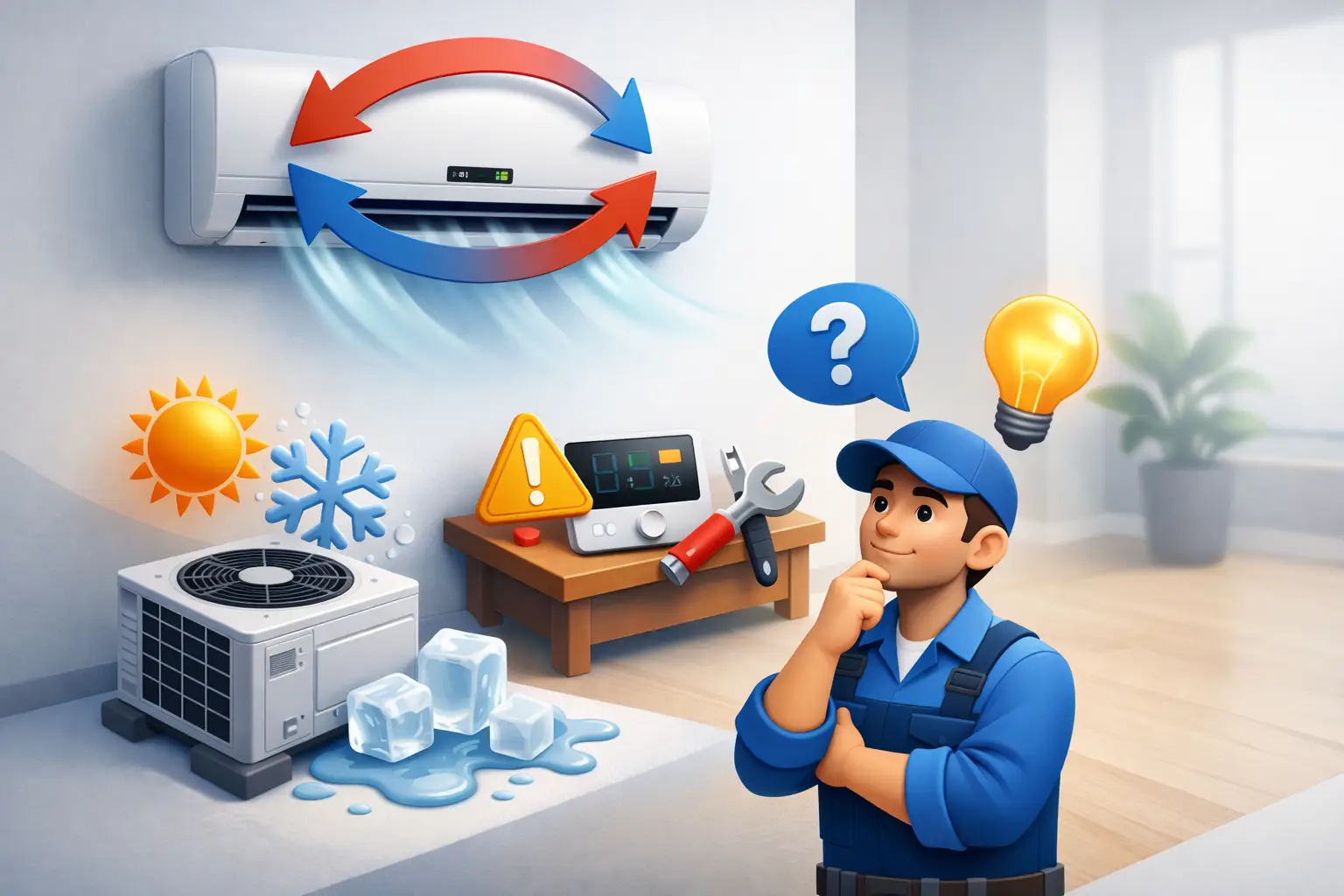
Your air conditioner should run long enough to cool your home steadily, usually for 10 to 20 minutes during a hot GTA afternoon. If it turns on, shuts off after only a few minutes, then starts again soon after, you may be dealing with AC short cycling causes that need attention. This pattern is more than an annoyance. It can raise hydro costs, leave rooms humid and uncomfortable, and put unnecessary strain on expensive system components.
Short cycling does not always mean your AC is failing, but it should not be ignored. The right repair depends on why the system is stopping early. Some causes are simple homeowner maintenance issues. Others involve electrical controls, refrigerant, or equipment sizing and require a certified technician.
What AC Short Cycling Looks Like
A short-cycling air conditioner starts a cooling cycle but reaches the shutdown point too quickly. It may restart several times within an hour without properly lowering the indoor temperature. You may also notice warm rooms, uneven cooling, higher indoor humidity, or a thermostat that never seems satisfied.
A few shorter cycles can be normal on a mild day, especially if your home is already close to the thermostat setting. The concern is a repeated pattern during warm weather: the unit runs briefly, stops, and starts again while the home still feels warm. If the outdoor unit is repeatedly switching on and off, or you hear frequent clicking, it is worth arranging a service assessment before a minor issue becomes a larger repair.
Common AC Short Cycling Causes
Thermostat location or settings
Your thermostat tells the air conditioner when to run and when to stop. If it is installed near a sunny window, kitchen, supply vent, lamp, or another heat source, it may sense a temperature that does not reflect the rest of your home. The AC can shut off because the thermostat believes the home is cool, even when bedrooms or upper floors are still uncomfortable.
A thermostat with low batteries, damaged wiring, poor calibration, or an unsuitable schedule can cause similar trouble. Before assuming the AC itself is at fault, check that the thermostat is set to Cool, the fan is set to Auto, and the temperature setting is below the current room temperature. If the display is unreliable or the thermostat is poorly located, a technician can confirm whether it should be repaired, relocated, or replaced.
Restricted airflow from a dirty filter or blocked vents
A clogged air filter is one of the most common and preventable causes of cooling problems. When airflow is restricted, the indoor coil can become too cold and freeze. The system may then shut down through a safety control or lose its ability to remove heat properly.
Check your filter monthly during heavy cooling season and replace it when it looks dirty. Homes with pets, renovations, allergies, or high summer usage may need more frequent filter changes. Also make sure supply registers and return-air grilles are open and unobstructed by furniture, rugs, or drapes.
Closing vents in unused rooms may sound efficient, but it can reduce airflow and increase pressure in the duct system. Unless a professional has designed zoning for your home, keep most vents open and use the thermostat to manage overall comfort.
A frozen evaporator coil
Ice on the indoor coil is a warning sign, not a solution. The coil can freeze because of a dirty filter, blocked airflow, a dirty coil, a blower problem, or low refrigerant. Once frozen, it cannot absorb heat effectively, so the AC may run erratically or cycle off before cooling the home.
If you see ice on refrigerant lines or water around the indoor unit, turn the cooling mode off and set the fan to On to help thaw the coil. Do not chip ice away or keep restarting the system. Once it has thawed, book a professional inspection to determine why it froze in the first place.
Low refrigerant caused by a leak
Your air conditioner does not use up refrigerant in normal operation. If levels are low, there is usually a leak that needs to be found and repaired. Low refrigerant can lower system pressure, contribute to coil freezing, reduce cooling capacity, and lead to short cycling.
Adding refrigerant without locating the leak is not a lasting fix. A certified technician should test the system, identify the source of the leak where possible, repair it, and charge the unit correctly. Refrigerant work requires the proper equipment and training, so this is not a homeowner repair.
Outdoor unit problems
The outdoor condenser releases heat collected from your home. If it cannot release that heat, system pressures can rise and safety controls may stop the equipment early. Leaves, grass clippings, cottonwood, fencing, overgrown shrubs, and a heavily soiled outdoor coil can all restrict airflow.
Keep the area around the condenser clear, with roughly 60 cm of open space around the sides where practical. Do not stack items on top of it. You can gently remove loose debris from the exterior, but avoid bending coil fins or using a high-pressure spray. An annual maintenance visit allows a technician to clean the coil properly and check whether the condenser fan is operating as it should.
An oversized air conditioner
A larger AC is not automatically a better AC. If a system is oversized for the home, it may cool the area near the thermostat very quickly and shut off before it has removed enough humidity. The result can be short cycles, clammy air, uneven temperatures, and faster wear on the compressor and electrical components.
Sizing depends on more than square footage. A proper assessment considers insulation, window area and direction, ceiling height, air leakage, occupants, ductwork, and the heat produced inside the home. This is especially relevant when replacing older equipment. The capacity of the old AC may not be the right capacity for your home today.
Electrical or mechanical faults
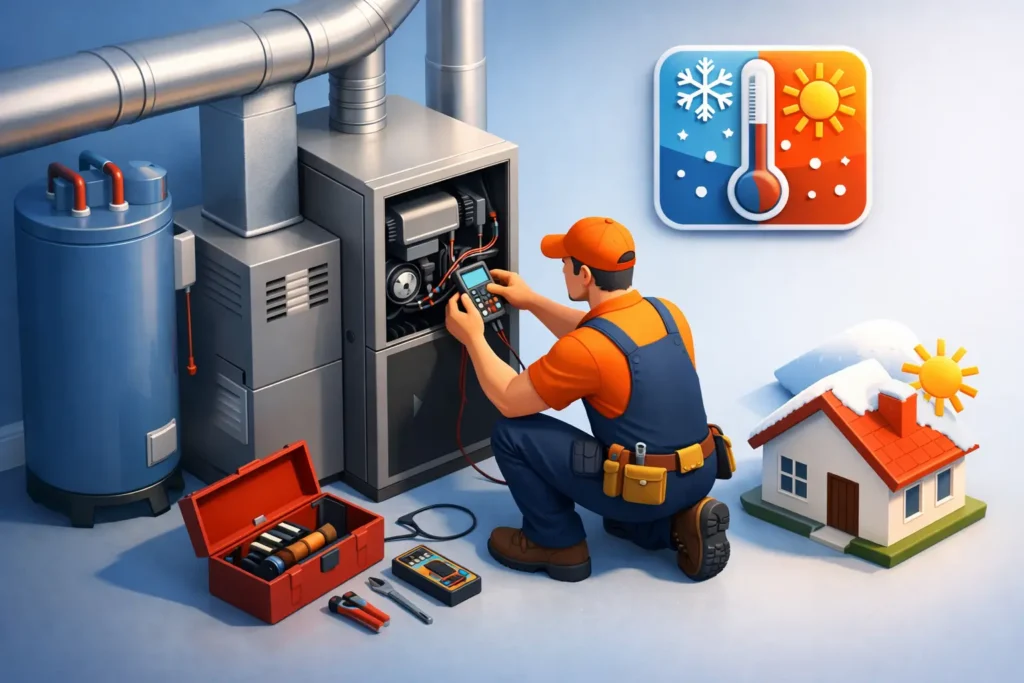
A failing capacitor, contactor, control board, pressure switch, condenser fan motor, or compressor can interrupt a cooling cycle. These problems can produce clicking noises, humming, breaker trips, warm air, or a unit that starts but shuts down almost immediately.
Electrical components should be tested safely, not guessed at. Repeatedly resetting a tripped breaker or forcing the unit to restart can cause further damage. If your AC trips the breaker, smells burnt, makes loud unusual noises, or will not stay running, turn it off and arrange service promptly.
What You Can Check Before Calling for Service
A few simple checks can help rule out basic issues and give your technician useful information. Replace a visibly dirty filter, confirm that vents and return grilles are open, and make sure the thermostat is set correctly. Look outside for obvious debris around the condenser and listen for unusual sounds during startup.
It also helps to note how long the system runs, how often it restarts, whether the indoor fan continues running, and whether any rooms are cooling normally. If the coil appears frozen, the breaker trips, or the outdoor unit is cycling repeatedly, stop using the cooling mode rather than letting the issue continue.
Avoid removing electrical panels, adjusting refrigerant lines, or trying to bypass safety switches. Those steps can be unsafe and may turn a repairable problem into a more expensive one.
When Short Cycling Needs a Professional Diagnosis
Short cycling is best diagnosed with a full look at the system, not a single quick fix. A technician can check airflow, thermostat operation, temperature differences, refrigerant pressures, electrical readings, condensate drainage, blower performance, and the condition of both coils. This approach helps distinguish a dirty-filter issue from a refrigerant leak, failing control, or sizing concern.
For Toronto and GTA homeowners, fast action can also protect comfort during humid summer weather. An AC that runs in proper cycles cools more evenly and removes moisture more effectively, which makes the home feel better without constantly lowering the thermostat.
If your AC keeps starting and stopping, a clear diagnosis is the first step toward a reliable repair. Easy Breezy HVAC can explain what is causing the problem, what work is needed, and what to expect before repairs begin, so you can make a confident decision for your home.