
A furnace that quits during a Toronto cold snap or an air conditioner that cannot keep up in July creates the same urgent question: what will replacement really cost? A guide to full installation HVAC pricing should give you more than a low equipment number. It should show what is included, what may change at the home, and what protection you have after the work is complete.
For GTA homeowners, the most useful price is the installed price for a system that is correctly selected, safely connected, commissioned, and backed by a clear labour warranty. That makes it easier to compare options without guessing which essential costs may appear later.
What full installation HVAC pricing should include
When a contractor lists a furnace, air conditioner, heat pump, or water heater with full installation, the price should cover the core work required to replace a compatible existing system under normal site conditions. This generally includes delivery, removal of the old equipment, professional installation, standard connection materials, start-up, testing, and a walkthrough of the new system.
For heating and cooling equipment, installation also commonly includes connecting ductwork at the unit, gas piping where applicable, electrical connections, condensate drainage, venting, refrigerant line work for an outdoor unit, and a new thermostat or compatible controls when required by the system. The exact scope depends on the equipment category and the home.
A complete price should also make clear whether permits, inspections, disposal, and applicable taxes are included or shown separately. There is no benefit to a price that looks lower simply because essential work has been left out of the first number.
Why equipment price and installed price are different
The cabinet in your basement or the condenser beside your home is only one part of the purchase. HVAC equipment must be matched to the house, connected to existing infrastructure, and tested as a working system. Labour, materials, safety requirements, and site access all affect the final cost.
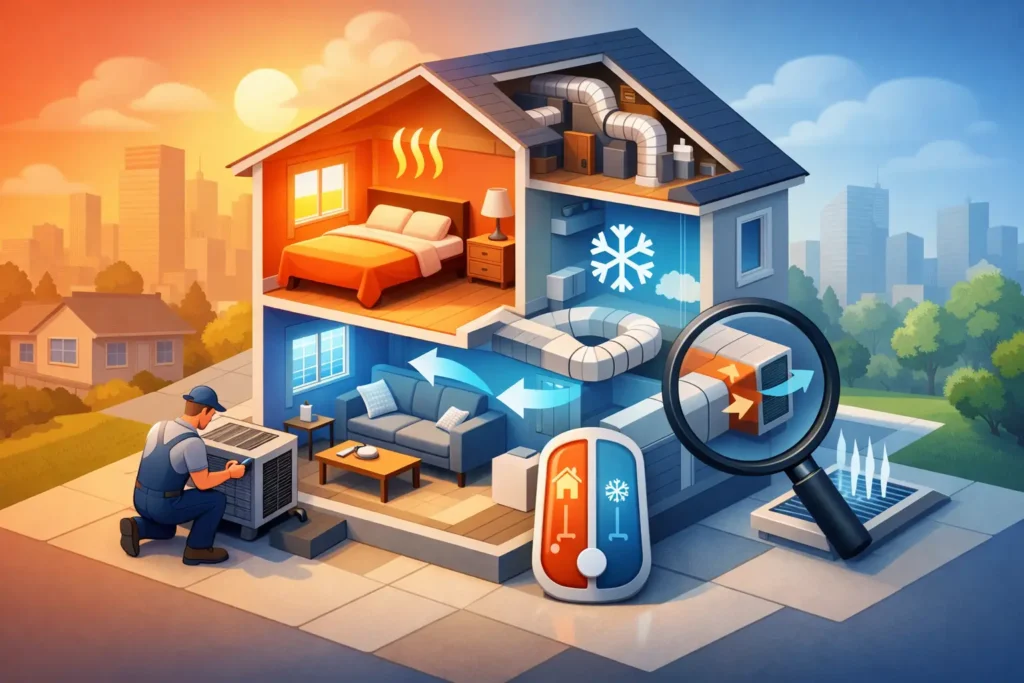
A like-for-like furnace replacement in an accessible utility room is usually more straightforward than replacing a furnace that needs a new vent route, gas-line changes, or duct modifications. The same is true for air conditioning. Replacing an existing central AC with a similar-sized unit may require less work than adding cooling to a home that has never had it.
This is why homeowners should be cautious when comparing a product-only price with a full installation price. A lower number may not include the work needed to make the equipment operate safely, efficiently, and within manufacturer requirements.
The biggest factors that affect HVAC installation cost
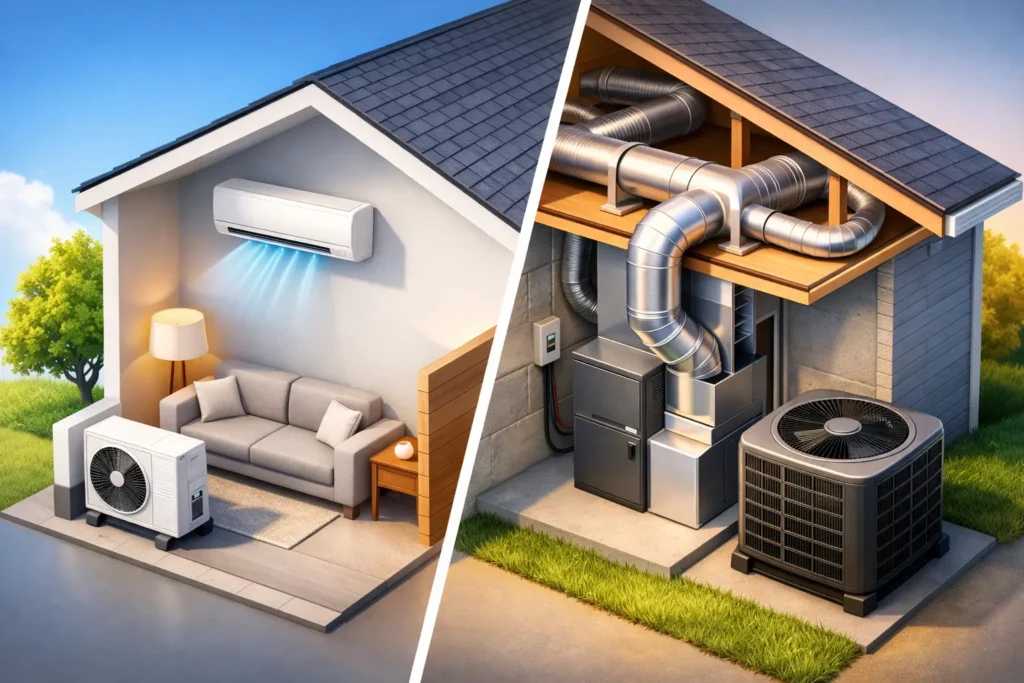
System type has a major effect on pricing. A gas furnace, central air conditioner, heat pump, tankless water heater, electric water heater, heat pump water heater, and power vent water heater each have different installation needs. Heat pumps, for example, require properly sized refrigerant lines, electrical capacity, outdoor placement, and compatible indoor equipment. Tankless water heaters can require venting, gas piping, condensate drainage, and water-line changes.
Equipment capacity also matters. Bigger is not automatically better. An oversized furnace can cycle too often, while an undersized air conditioner may struggle on hot days. A qualified technician considers the home’s size, insulation, window exposure, ductwork, occupancy, and existing equipment before recommending capacity. The right size protects comfort and operating costs over time.
Existing conditions are another important variable. Homes with aging electrical panels, undersized gas lines, damaged venting, poor drainage, limited access, or non-standard ductwork may need additional work. These are not unnecessary add-ons when they are required for safety or proper operation. They should, however, be explained clearly before work begins.
Finally, equipment efficiency and features influence the price. Higher-efficiency furnaces, variable-speed systems, cold-climate heat pumps, advanced filtration, and smart controls can cost more upfront. They may offer quieter operation, better comfort control, and lower energy use, but the value depends on your home, utility costs, and how long you plan to stay there.
How to compare full installation HVAC pricing fairly
Start by confirming that you are comparing similar equipment categories, capacities, efficiency ratings, and installation scope. A quote for a basic single-stage furnace is not directly comparable to one for a variable-speed, high-efficiency model. Likewise, an air conditioner and a heat pump may look similar outdoors, but they provide different capabilities.
Ask for the exact model number whenever possible. Model details help you understand efficiency, warranty terms, dimensions, fuel type, and compatible accessories. They also prevent vague comparisons such as “high-efficiency furnace” when one option may have substantially different features from another.
Then look at what the installation includes. You want a clear answer on removal of the old unit, standard materials, venting or piping, electrical work, permits if required, commissioning, and disposal. If the contractor identifies possible extras, ask what condition would trigger them and how the price would be calculated.
A detailed installed price is often more useful than the cheapest initial figure. It gives you a realistic budget and reduces the risk of finding out on installation day that core work was never included.
When extra work may be reasonable
Not every home fits a standard replacement. Additional charges can be appropriate when the installation requires work outside normal replacement conditions. The key is that the reason should be specific and easy to understand.
Common examples include upgrading an electrical circuit for a heat pump, correcting unsafe venting, extending a gas line for a tankless water heater, rebuilding damaged duct connections, relocating equipment, or dealing with difficult access. In some cases, an older home may need changes to meet current code requirements during replacement.
Before approving extra work, ask what problem it solves, whether it is required for safety or code compliance, and what alternatives are available. A dependable contractor will explain the trade-off in plain language rather than relying on pressure or technical jargon.
Pricing by system type
Gas furnaces
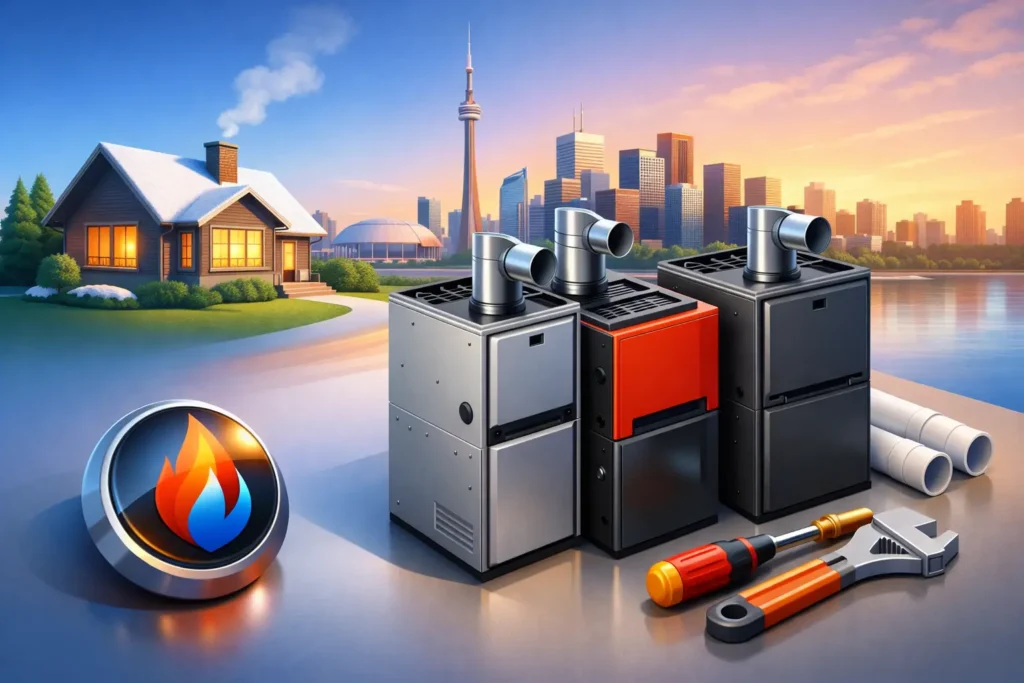
Furnace pricing depends on efficiency, heating capacity, blower design, venting requirements, and whether the existing ductwork and gas supply are suitable. A high-efficiency condensing furnace may require PVC venting and a condensate drain, while a replacement involving older venting may need additional adjustments.
Air conditioners and heat pumps
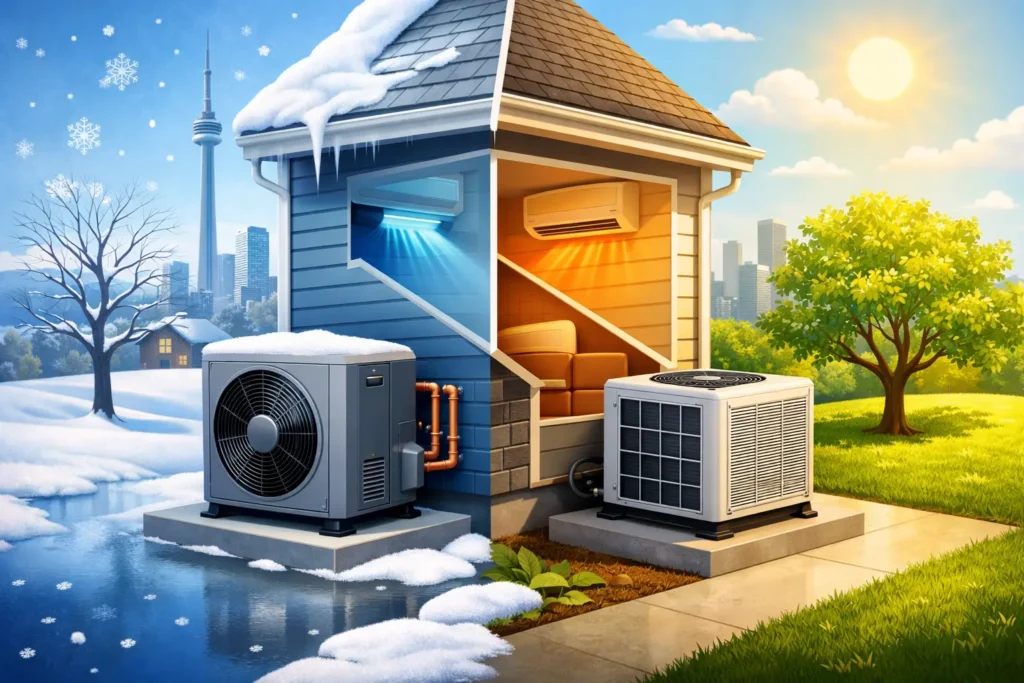
Central AC and heat pump pricing is shaped by capacity, efficiency, refrigerant line condition, outdoor-unit location, electrical requirements, and the compatibility of the indoor coil or air handler. A heat pump can be a strong option for households looking for both heating and cooling, but it needs a careful assessment of the home’s winter heating needs and backup heat arrangement.
Water heaters
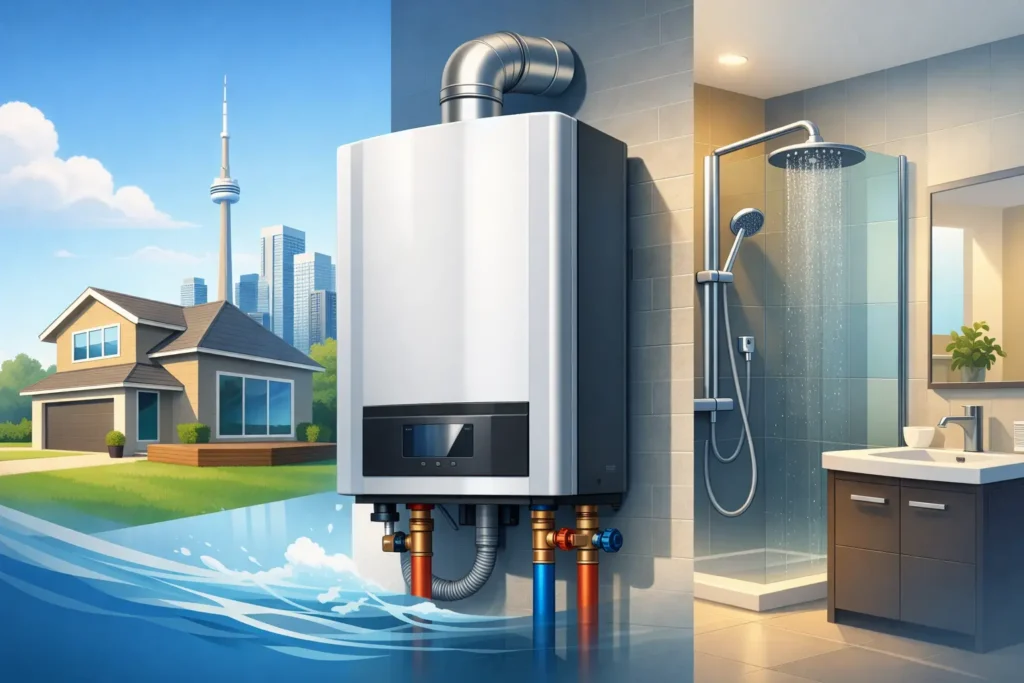
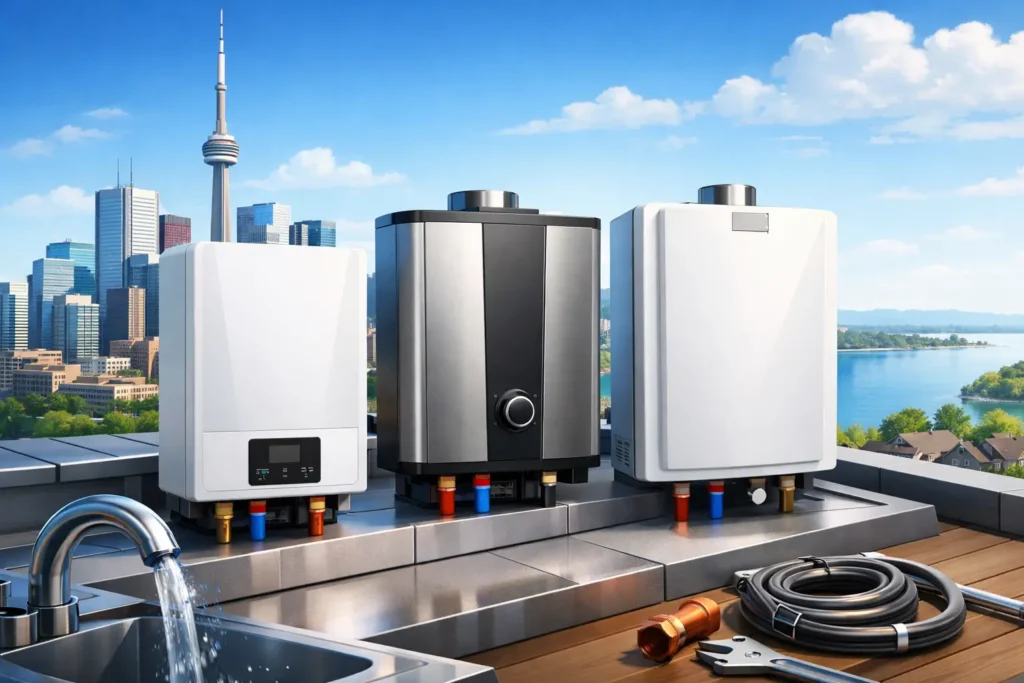
Traditional electric, power vent, tankless, and heat pump water heaters have very different installation requirements. Tankless units save space and provide continuous hot water when properly sized, but they can involve more venting and gas-line work. Heat pump water heaters can reduce water-heating energy use, though they need appropriate space, airflow, and a location that works with their operating characteristics.
Warranty and workmanship belong in the price discussion
Equipment warranties and labour warranties are not the same thing. A manufacturer may cover certain parts for a stated period, while the contractor’s labour warranty covers the workmanship involved in installation or repair. Both matter when deciding where to spend your money.
Read what the warranty covers, how long it lasts, and whether registration is required. Also ask who you contact if there is an issue after installation. Direct communication with the installing contractor can make a real difference when you need an adjustment, a service visit, or help understanding how your new system operates.
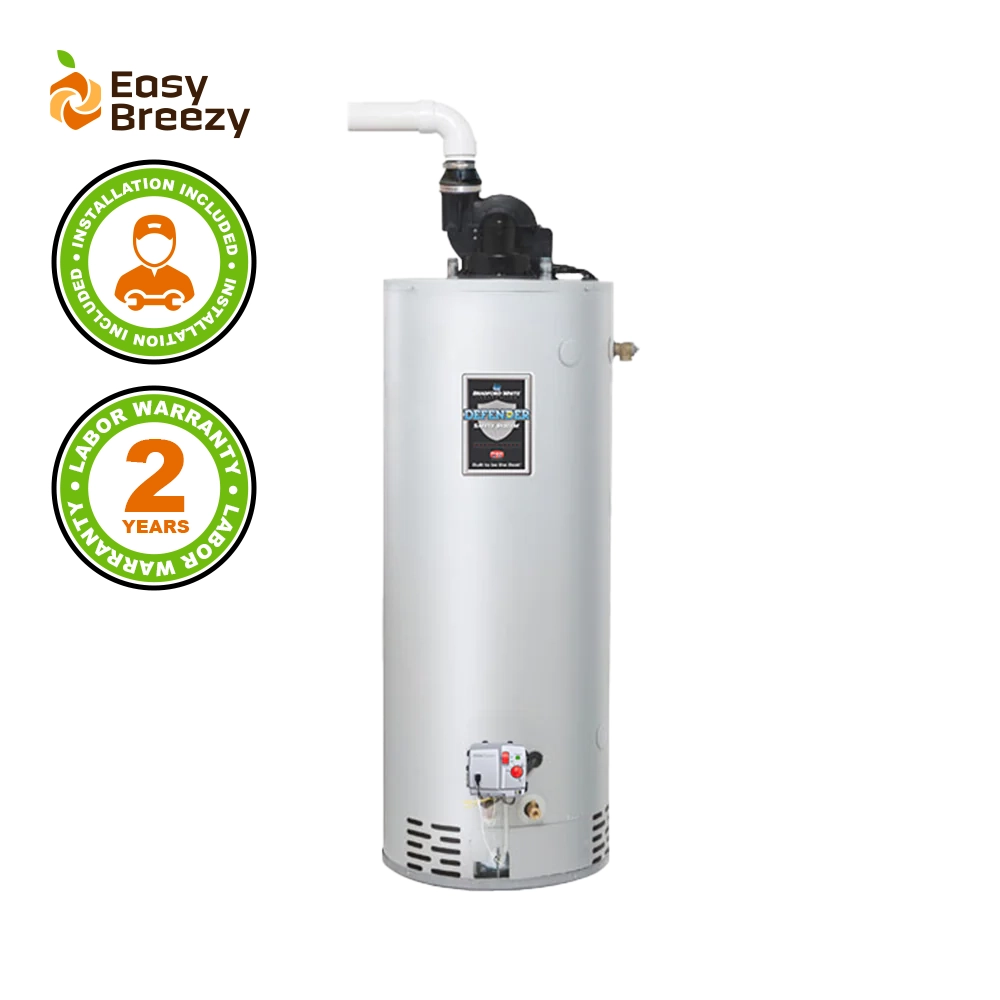
Easy Breezy HVAC Inc. backs eligible installation and repair work with a 2-year free labour warranty, giving homeowners added confidence beyond the equipment itself.
Questions to ask before you approve an installation
Before making a decision, make sure you can answer a few practical questions. What exact model is being installed? What is included in the stated price? Are permits, disposal, and taxes identified? Could your home require additional electrical, venting, gas, drainage, or ductwork changes? What warranty covers the equipment, and what warranty covers the labour?
You should also know who will perform the work, how long it is expected to take, and what happens if an issue is found once the old equipment is removed. Certified technicians should be able to walk you through these answers clearly.
The best HVAC price is not simply the lowest or the highest. It is the price that gives you the right-sized equipment, a clearly defined installation, honest answers about your home, and a reliable team to call when you need comfort restored.