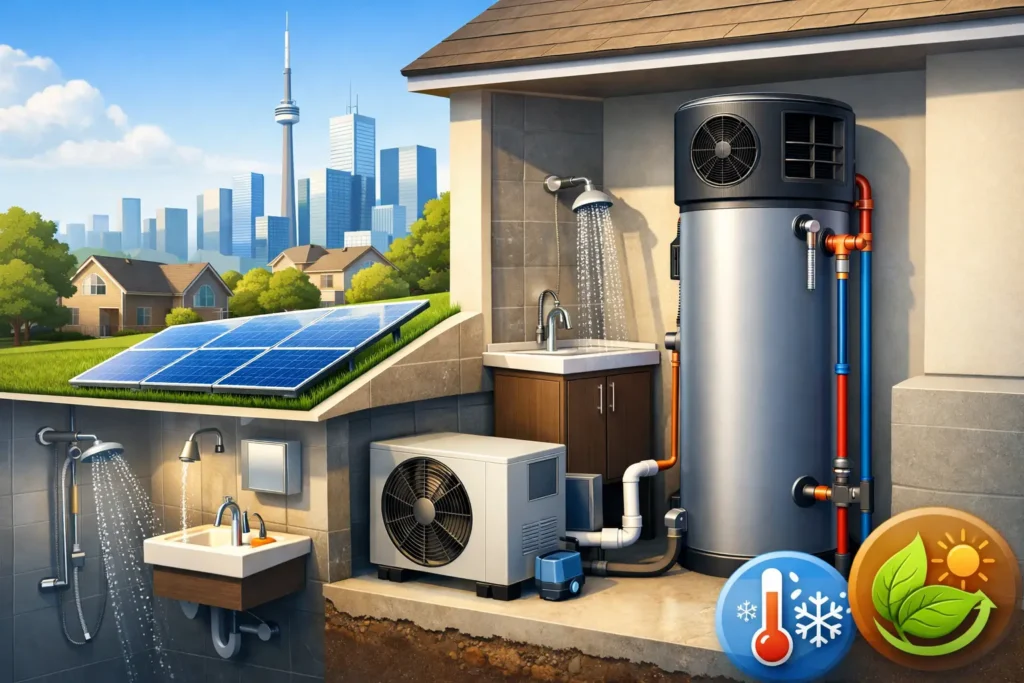
A cold shower halfway through a busy morning is usually what starts the search. But replacing a water heater is not only about getting hot water back quickly. This tankless water heater buying guide explains what GTA homeowners should compare before choosing a system, so the unit installed in your home can keep up with your household, your existing venting, and your budget.
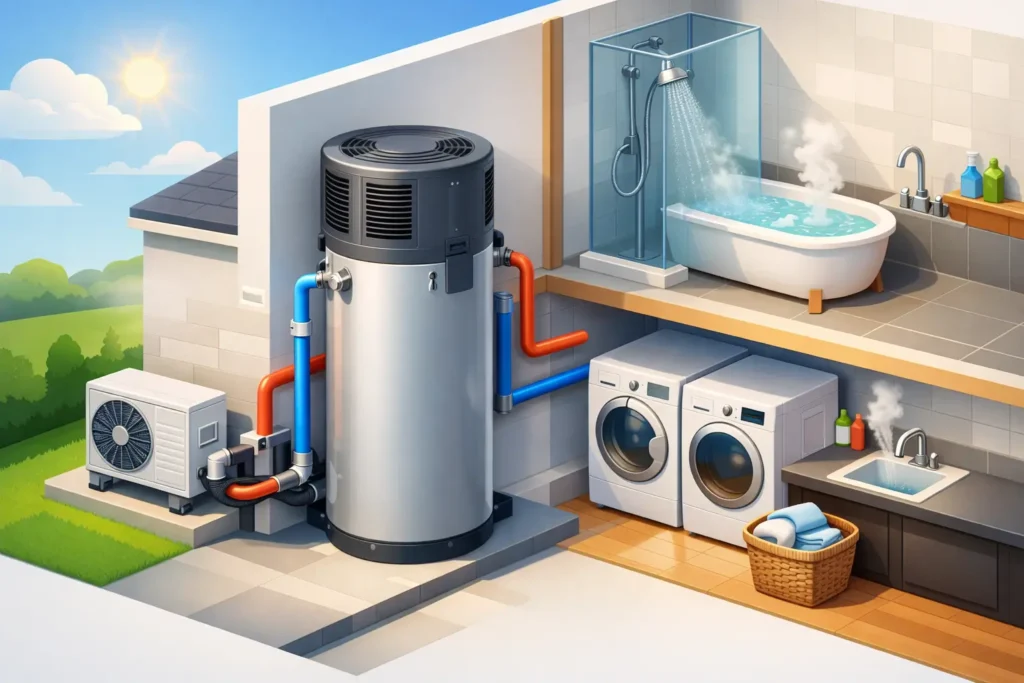
Tankless water heaters heat water only when a tap, shower, appliance, or fixture calls for it. Unlike a conventional tank, they do not store a large volume of heated water around the clock. That can reduce standby energy loss and free up floor space, but the right result depends on proper sizing and professional installation.
Start With Your Home’s Hot Water Demand
The biggest buying mistake is choosing a unit based on the number of bathrooms alone. What matters is how many fixtures may need hot water at the same time and how much water each one uses.
A household that runs one shower while the dishwasher operates has a different demand than a family where two showers, a washing machine, and kitchen tap may overlap during the morning rush. A tankless unit can provide continuous hot water, but it has a maximum flow rate. When demand goes beyond that capacity, water temperature can drop or the system may limit flow.
For a typical GTA home, a qualified technician will ask about the number of occupants, bathrooms, shower habits, laundry use, and whether fixtures have standard or low-flow heads. They should also consider the home’s incoming water temperature. Toronto-area groundwater is cold in winter, which means a heater has to work harder to deliver comfortable shower temperatures than it would in a warmer climate.
Gallons Per Minute Is Not the Whole Story
Tankless units are often rated in gallons per minute, or GPM. That number is useful, but it is only meaningful alongside the temperature rise required. A unit may deliver a higher GPM where incoming water is warm and a lower GPM during an Ontario winter.
Ask for the expected flow rate at a realistic temperature rise, not just the largest number on the product sheet. A properly sized system should cover your normal peak use without forcing everyone in the house to schedule showers around the appliance.
Choose Between Gas and Electric Carefully
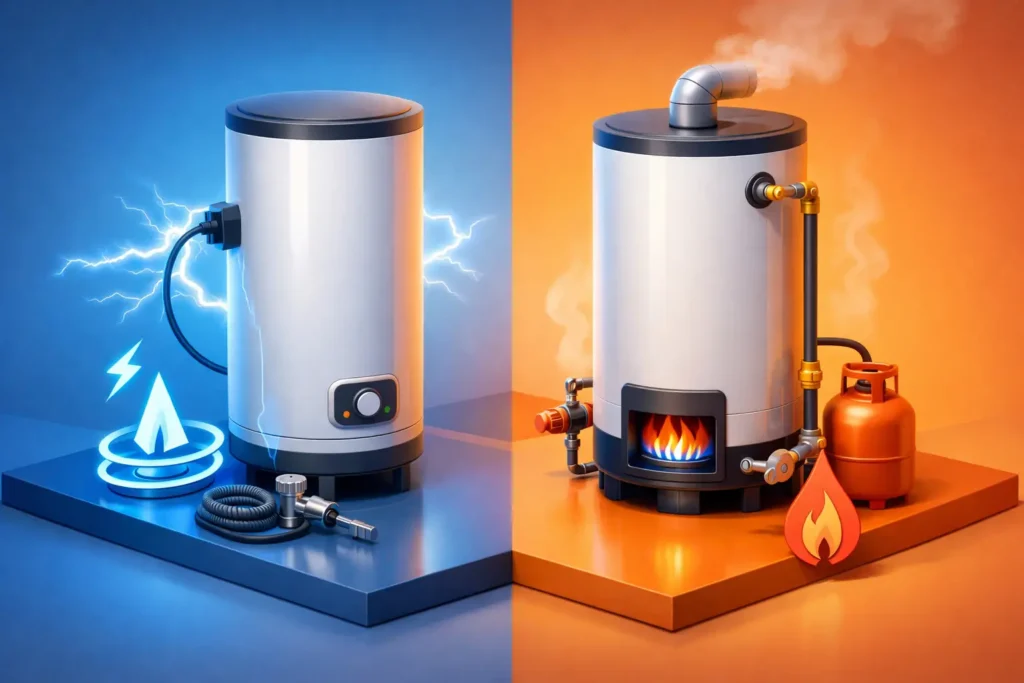
For most larger GTA households, a gas tankless water heater is the practical choice. Gas models generally deliver higher flow rates and can support multiple simultaneous hot-water demands. They are especially well suited to homes replacing a gas storage tank water heater, provided the gas supply and venting can be adapted safely.
Electric tankless water heaters can work well in smaller homes, condos, additions, or point-of-use applications, such as a remote bathroom or kitchen. However, whole-home electric models can require substantial electrical capacity. In some homes, installing one may mean panel upgrades, additional circuits, or electrical work that changes the total project cost.
The best option depends on the home, not a one-size-fits-all efficiency claim. If your house already has adequate gas service and you need strong whole-home capacity, gas is often the simpler route. If gas is unavailable or your hot-water needs are limited, electric may be worth considering after an electrical assessment.
Look for Efficiency, but Include Installation in the Decision
High-efficiency condensing gas tankless water heaters capture more heat from combustion gases before they leave the unit. They typically have high energy-factor ratings and can use approved plastic venting in many applications. This can make routing a new vent more flexible than with older non-condensing equipment.
That does not automatically mean every home should receive the highest-capacity model. A larger unit costs more and may not provide a noticeable benefit if your household never reaches its output range. The better question is whether the system delivers the capacity you need with efficient operation and a sensible installation plan.
Also compare the full installed price, not the equipment price alone. A tankless conversion can involve gas-line resizing, new intake and exhaust venting, condensate drainage, electrical connections, shutoff valves, and removal of the old water heater. Transparent pricing should clearly state what is included and identify any site conditions that could require additional work.
Venting and Drainage Can Shape the Project
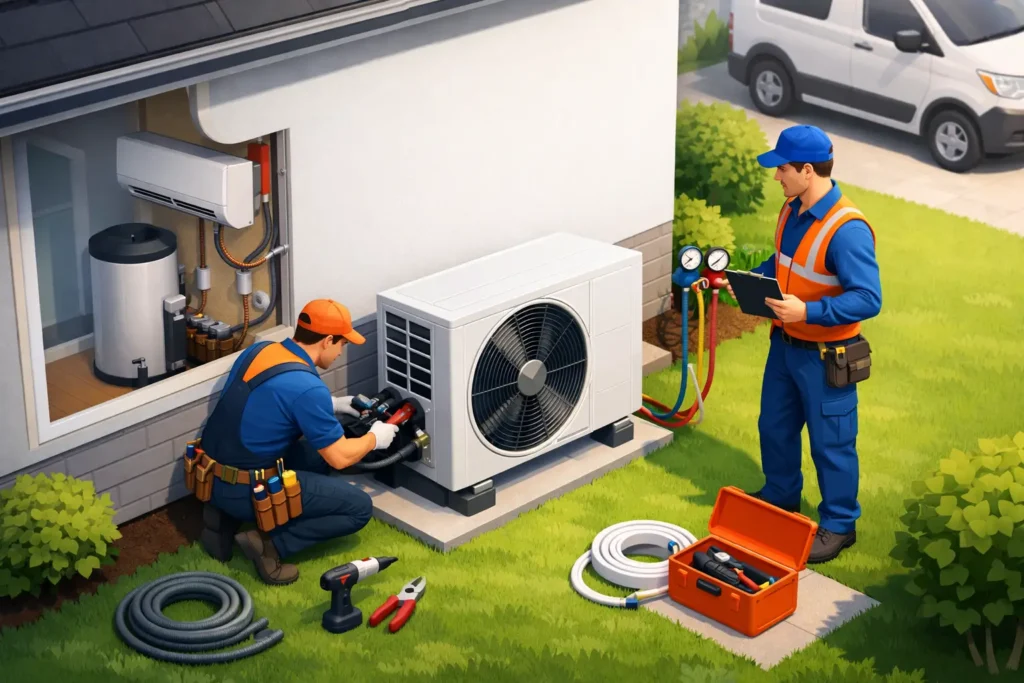
A tankless water heater needs a safe route for combustion air and exhaust gases. Depending on the model and layout, venting may exit through an exterior wall or roof. Location matters because clearances, property lines, windows, doors, and existing mechanical equipment all need to be considered.
Condensing units also produce condensate. The installer must provide appropriate drainage and, where required, neutralization. These details are not glamorous, but they affect reliability and code compliance. A low equipment price is not a bargain if the installation scope skips necessary venting, drainage, or gas work.
Check Your Gas Line Before Selecting a High-Output Unit
Many homeowners assume that replacing a gas tank water heater with a tankless model is a direct swap. Sometimes it is, but not always. Tankless heaters can have a higher BTU input than a conventional tank, especially larger models designed for multiple bathrooms.
Your existing gas line may already serve a furnace, fireplace, range, dryer, or barbecue connection. A certified technician should calculate the available gas capacity and inspect the pipe size and run length before confirming a model. If the line needs upgrading, it is better to know before installation day than after a unit has been selected.
This is also why a site assessment matters more than an online specification comparison. The right unit on paper can still be the wrong choice if the home cannot safely support it without additional work.
Consider Recirculation for Faster Hot Water
Tankless technology heats water on demand, but it does not eliminate the time it takes hot water to travel through plumbing. If the primary bathroom is far from the mechanical room, you may still wait for hot water at the tap.
Some tankless systems offer built-in or compatible recirculation options. A recirculation pump moves water through the plumbing loop so hot water can arrive faster. This can improve convenience and reduce water wasted while waiting, particularly in larger detached homes.
There is a trade-off. Recirculation uses energy, and the available setup depends on whether your plumbing has a dedicated return line. Systems without one may use a crossover valve at a fixture, which can be a practical retrofit solution but should be explained clearly before installation. Timers, schedules, and demand-activated controls can help limit unnecessary operation.
Plan for Maintenance in GTA Water Conditions
Tankless water heaters are reliable systems, but they are not maintenance-free. Mineral scale can build up inside the heat exchanger, particularly in areas with hard water. Over time, that buildup can reduce performance, affect efficiency, and contribute to error codes.
Annual service commonly includes flushing the heat exchanger with a descaling solution, checking filters, inspecting venting and drainage, confirming safe combustion operation, and reviewing the unit for leaks or fault history. Homes with harder water or very high hot-water use may benefit from more frequent attention.
When comparing models, ask whether isolation valves are included. These service valves make routine flushing easier and help protect the long-term performance of the equipment. It is a small installation detail that can save time later.
Understand Warranty and Service Support
A long manufacturer parts warranty is valuable, but it is not the only protection to compare. Find out what labour coverage applies, who handles warranty calls, and whether the installer has certified technicians available when the unit needs service.
For homeowners, support matters most when hot water stops unexpectedly. A local contractor that can explain the issue, access the correct parts, and provide 24/7 help for urgent problems offers more practical value than a warranty document alone. Easy Breezy HVAC provides direct homeowner communication and a two-year free labour warranty on eligible installation work, helping reduce uncertainty after a replacement.
Questions to Ask Before You Buy
Before approving an installation, ask the contractor to confirm the recommended flow rate for your household, the expected winter performance, and whether your gas line or electrical panel can support the unit. Ask how venting, condensate drainage, old-equipment removal, permits, and commissioning are handled. You should also know what ongoing maintenance is recommended and what the full installed price includes.
A clear answer to these questions is often a better sign than an oversized promise about endless hot water. The goal is not simply to buy a tankless water heater. It is to install one that fits your home properly, performs reliably through a GTA winter, and gives your household dependable hot water when it needs it most.