
A heat pump water heater review should answer one practical question first: will it lower your hot-water costs without creating new problems in your home? For many Toronto and GTA households, the answer is yes – provided the unit is installed in the right location and sized for the way the family uses hot water.
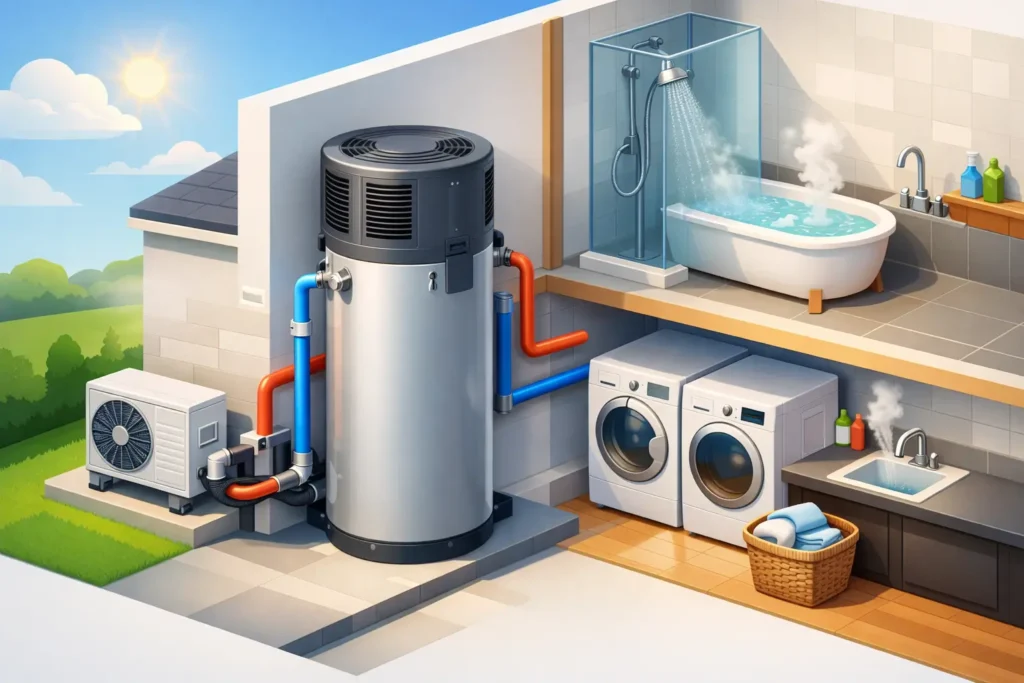
Unlike a conventional electric tank, a heat pump water heater does not create all of its heat directly with electric elements. It pulls warmth from the surrounding air and transfers it into the water tank. That approach can use substantially less electricity, but it also means the unit needs adequate space, airflow and a plan for cooler basement conditions.
Heat Pump Water Heater Review: The Real Benefits
The main reason homeowners consider this upgrade is operating cost. A standard electric water heater relies on resistance heating, which is effective but energy-intensive. A heat pump model uses electricity to move heat rather than generate it, so it can produce the same hot water with significantly less power during normal operation.
That difference is especially meaningful for homes replacing an aging electric tank. If hot water is a noticeable part of your hydro bill, a heat pump water heater can reduce that expense while maintaining the familiar convenience of stored hot water. Most models also include electric backup elements, so the tank can still recover when demand is high or the surrounding air is cold.
There is another benefit that surprises some homeowners: dehumidification. Because the unit draws heat from indoor air, it also removes some moisture. In a damp, unfinished basement, that can be useful during warmer months. It is not a replacement for a proper dehumidifier where one is needed, but it can be a welcome side effect.
Heat pump water heaters are also a strong option for households moving away from fossil-fuel equipment. There is no combustion, no gas venting and no risk of combustion-related exhaust issues. For an electric home, this can simplify the water-heating setup.
Where the Trade-Offs Show Up
The technology is efficient, but it is not invisible. A heat pump water heater makes a low, steady fan and compressor sound while operating. Many homeowners compare it to a refrigerator, although sound levels vary by model and installation location. An enclosed utility room beside a bedroom is usually not the ideal spot unless the space is designed to manage airflow and noise.
It also cools the air around it. This is helpful in a warm basement, garage or mechanical area during summer. In winter, however, that heat has to come from somewhere. If the tank is located in a heated part of the home, your furnace or heat pump may need to replace some of that extracted heat. The water heater still tends to be efficient, but the total household impact deserves an honest assessment.
Recovery time is another consideration. In heat-pump-only mode, a tank may recover more slowly than a conventional electric unit. A large family with back-to-back showers, laundry and dishwasher use may need a larger tank or a hybrid operating mode that uses the electric elements during high demand. The best settings are not always the lowest-energy settings – they should match your daily routine.
Upfront cost is generally higher than for a basic electric tank. Installation may also involve electrical work, a condensate drain, plumbing adjustments or a new location with enough air volume. The right comparison is not simply purchase price versus purchase price. It is installed cost, expected hydro savings, household demand and the expected life of the equipment.
Is It a Good Fit for Your GTA Home?
A heat pump water heater is usually a good candidate for a home with an electric water heater that is nearing the end of its life, especially when the tank is located in a basement, utility room or garage with sufficient air circulation. It can also make sense during a broader electrification project, such as replacing gas-fired equipment or planning for solar generation.
The installation space matters as much as the tank itself. These units need room to draw in and discharge air. A large open basement is often ideal. A small closet may require louvred doors, ducting or a different water-heating solution altogether. Installing a heat pump water heater in a cramped space without addressing airflow can reduce performance and create uncomfortable temperature changes nearby.
Toronto-area homes also vary widely in electrical capacity. Some older homes may need an assessment of the electrical panel and available circuit capacity before installation. This should be confirmed before selecting a unit, rather than becoming an unexpected cost on installation day.
A condensate drain is also required. Like an air conditioner or dehumidifier, the system produces water as it removes humidity from the air. A nearby floor drain is convenient, but a condensate pump may be used where gravity drainage is not possible. Proper drainage is a basic but essential part of a reliable installation.
Heat Pump Water Heater vs. Gas or Conventional Electric
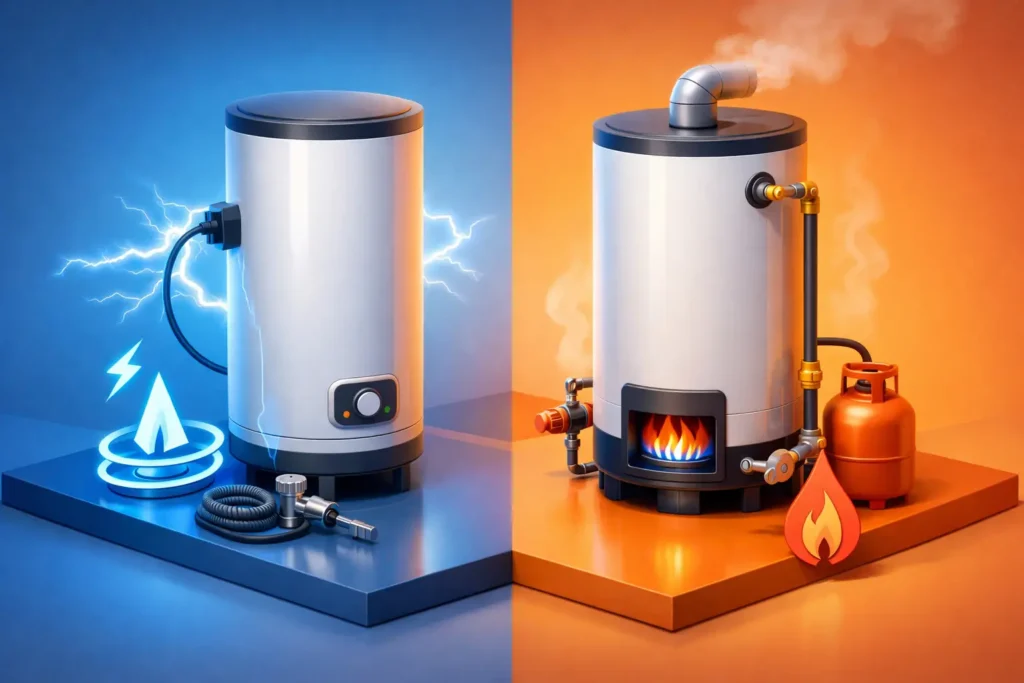
For a homeowner with an existing electric tank, a heat pump water heater is often the clearest efficiency upgrade. It offers familiar tank-style hot water, lower energy use and no gas piping or venting requirements. The decision usually comes down to whether the home has suitable installation space and whether the higher initial investment fits the budget.
For homes with a gas water heater, the comparison is more nuanced. A gas tank may have faster recovery, particularly for a busy household, and replacing it with another gas unit can be simpler in an existing vented setup. A heat pump water heater may reduce electricity use compared with standard electric equipment, but the financial case depends on local utility rates, gas consumption, installation requirements and family hot-water demand.
Tankless water heaters solve a different problem. They provide hot water on demand and save space, but their installation can require gas-line, venting and electrical upgrades. A heat pump tank is generally better suited to homeowners who want stored hot water, lower electric consumption and a practical replacement for an existing tank.
What to Check Before You Buy
Before choosing a model, confirm the available height and floor space, the room’s airflow, electrical requirements and drainage route. Measure carefully, including clearance above the tank for service access. A unit that technically fits may still be difficult to maintain if it is squeezed under ductwork or against a wall.
Tank size should reflect household use. A smaller household may be comfortable with a typical mid-size tank, while a family with multiple bathrooms often benefits from additional capacity. Consider morning shower patterns, large tubs, laundry habits and whether several people regularly use hot water within the same hour.
Ask how the unit will be configured after installation. Most heat pump water heaters offer modes such as efficiency, hybrid and electric or high-demand operation. Efficiency mode prioritizes lower energy use. Hybrid mode automatically brings in electric elements when needed. For many GTA families, hybrid mode provides the best balance between savings and dependable recovery.
Finally, ask who will handle the complete installation scope. Water, electrical, drainage and removal of the old tank should be clearly explained before work begins. Transparent installed pricing is more useful than a low equipment price that leaves major site work unclear.
A heat pump water heater is not the right answer for every mechanical room, but it is one of the most worthwhile upgrades for the right home. A certified technician can assess the space, household demand and electrical setup before you commit. Easy Breezy HVAC helps GTA homeowners make that decision with clear recommendations and installation details, so the system you choose works as well in January as it does in July.
The best next step is simple: look at where your current tank sits, how your household uses hot water, and what changes that space can realistically support. Those details will tell you far more than a product label alone.