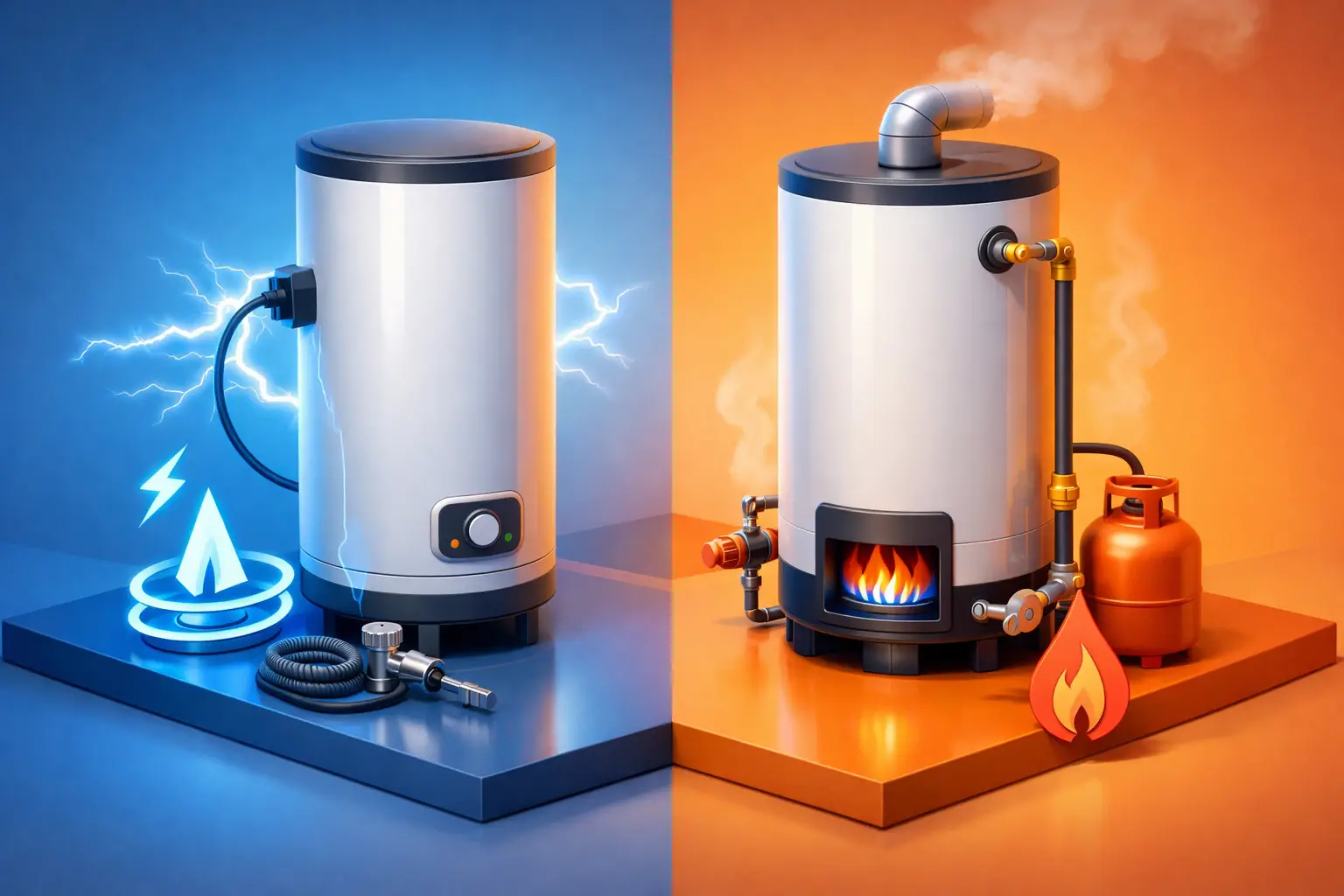
If your water heater is nearing the end, this decision usually gets real fast. Nobody wants to be comparing fuel types after a leaking tank, a cold shower, or a surprise repair bill. When homeowners ask about electric versus gas water heater options, they usually want one thing – the right fit for their home, budget, and daily hot water use.
That is the right way to look at it, because there is no universal winner. A gas unit may look like the obvious choice in one Toronto home and make very little sense in another. The better question is not which type is best overall. It is which type works best in your house, with your utility setup, your space, and your expectations.
Electric versus gas water heater: the basic difference
At the simplest level, both systems do the same job. They heat water and store it in a tank, or in some cases heat it on demand. The difference is the energy source and what that means for installation, operating costs, recovery time, and safety requirements.
An electric water heater uses heating elements powered by your home’s electrical supply. A gas water heater burns natural gas and typically vents combustion gases outdoors. That one difference affects far more than the monthly bill. It also affects where the system can be installed, how fast it reheats water, what code requirements apply, and how much work is involved during replacement.
For many GTA homeowners, the decision starts with what is already in place. If you have a gas line, proper venting, and a gas water heater that served the home well for years, replacing like for like may be straightforward. If you do not have gas available at the installation area, electric can become the cleaner and simpler path.
Upfront cost versus long-term cost
This is where many comparisons get oversimplified. People often hear that electric units cost less to buy, while gas units cost less to run. That can be true, but the real answer depends on installation conditions.
Electric water heaters are often less expensive to install when the required electrical service is already available and no major upgrades are needed. They do not need gas piping or venting, which can reduce labour and material costs. In homes where venting a new gas appliance would be difficult or expensive, electric can be the more practical choice even if operating costs are higher over time.
Gas water heaters can be more economical to run in many Ontario homes because natural gas has often been a lower-cost fuel source for water heating than electricity. But gas installation is not always simple. If venting needs to be changed, if combustion air requirements need to be addressed, or if gas piping upgrades are needed, the initial cost can rise quickly.
This is why transparent installed pricing matters. The equipment price alone never tells the full story. A homeowner comparing two tanks needs to know what is included, what site conditions may change the cost, and whether the replacement is truly like for like.
Hot water performance in real family use
Performance matters more than brochure numbers when you have a full household using hot water back to back.
Gas water heaters usually recover faster than standard electric tank models. That means once hot water is used, the tank can reheat more quickly. In a busy household with multiple showers, laundry, and dishwashing happening close together, that faster recovery can make a noticeable difference.
Electric tank water heaters tend to heat more slowly. For smaller households, condos, or homes with moderate and predictable hot water use, that may not be a problem at all. But in larger family homes, slower recovery can become frustrating if the tank size is not matched properly.
This is where sizing matters just as much as fuel type. A well-sized electric unit can outperform an undersized gas unit in everyday use. On the other hand, if your household regularly pushes hot water demand, gas often gives more flexibility.
Installation practicalities in GTA homes
Many water heater decisions are made by the mechanical room, not by preference.
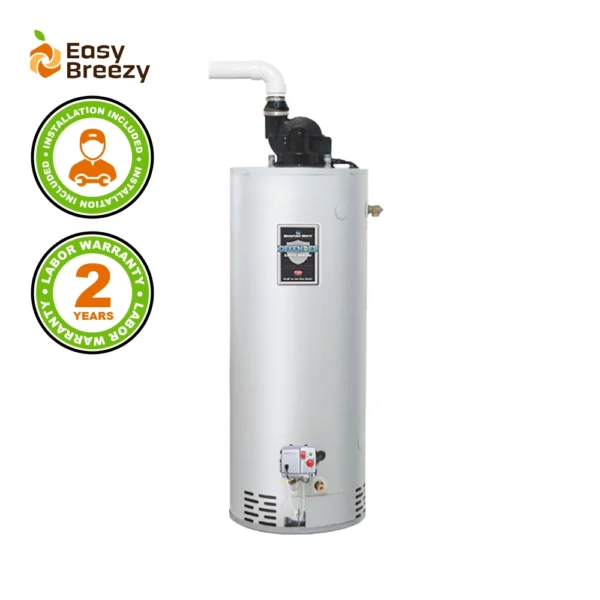
Gas water heaters require venting and proper combustion setup. Depending on the model, that may involve a chimney connection, a power vent arrangement, or another approved venting method. In older homes, venting updates can be part of the replacement scope. In tighter spaces or finished areas, this can affect both cost and product choice.
Electric water heaters avoid those venting concerns. That makes them appealing in homes where venting is a challenge, where a gas line is not nearby, or where the homeowner wants a simpler appliance setup. They can also be a sensible option in some basement renovations, secondary suites, or spaces where installation flexibility matters.
Still, electric is not automatically plug-and-play. The unit needs the correct electrical supply and breaker capacity. If that is not already available, you may be looking at electrical work that changes the equation.
A proper recommendation starts with the home, not the catalogue. That is especially true in Toronto and surrounding areas, where housing types range from older detached homes to newer townhomes, condos, and renovated basements with very different mechanical layouts.
Energy efficiency and what it really means
Electric water heaters are often described as highly efficient because almost all the electricity they use is converted into heat inside the tank. That is technically true at the appliance level. But your utility bill is based on energy cost, not just appliance efficiency.
Gas water heaters may have lower appliance efficiency ratings than electric resistance tanks, but if natural gas is cheaper per unit of energy, the operating cost can still come out lower. So the most efficient unit on paper is not always the lowest-cost unit in practice.
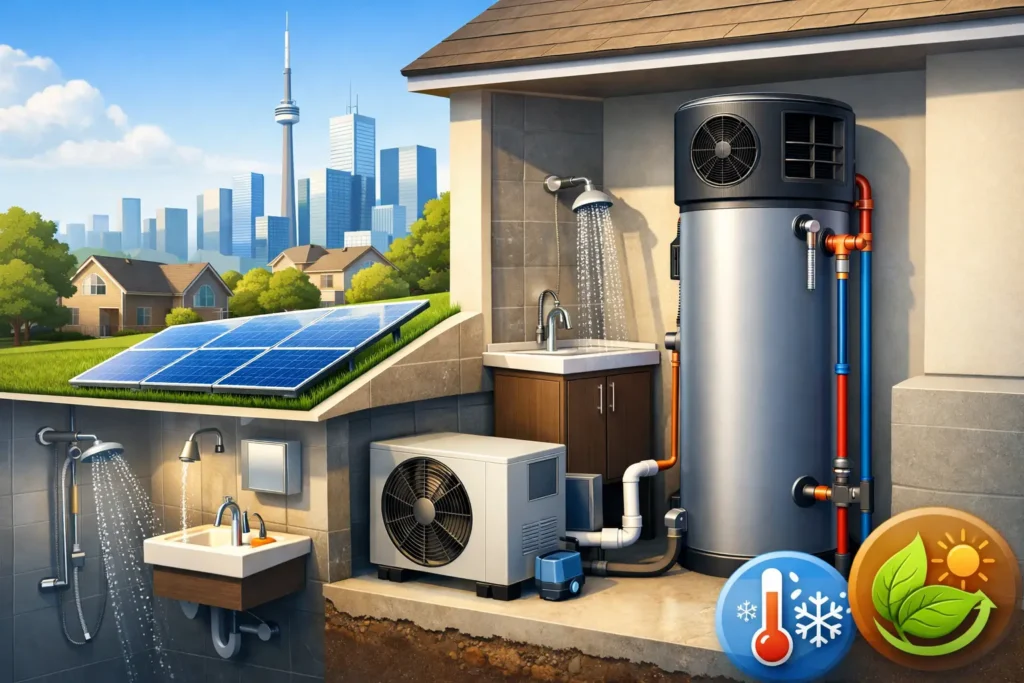
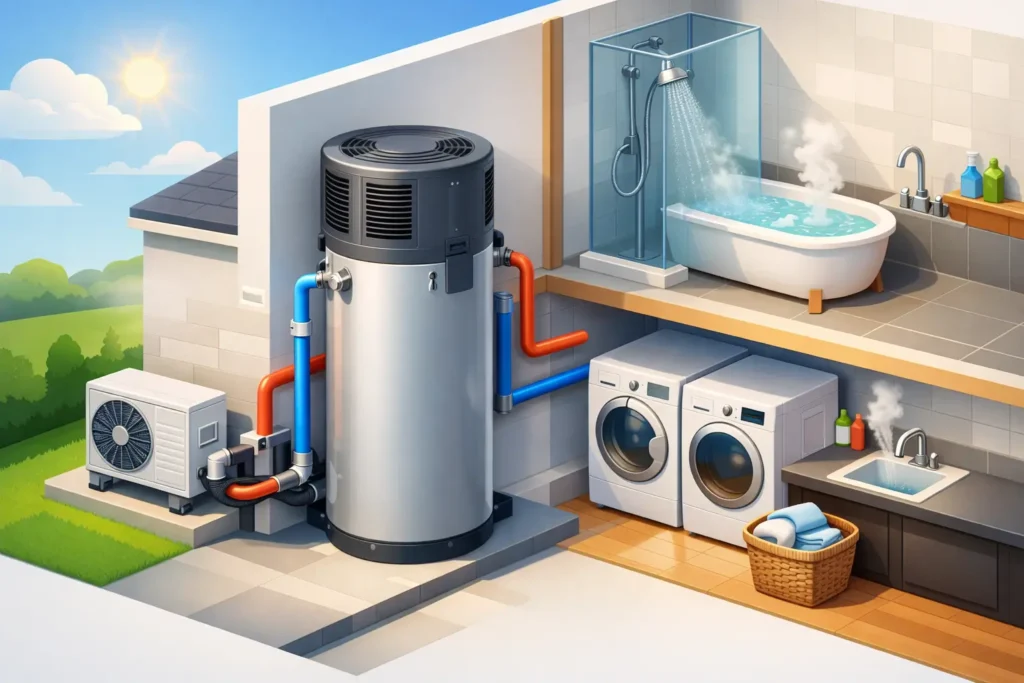
There is also a difference between standard electric resistance water heaters and heat pump water heaters. A heat pump water heater is electric too, but it works very differently and can be far more efficient than a standard electric tank. It is a strong option for some homeowners focused on energy savings, though it comes with higher upfront cost and specific installation requirements.
For homeowners trying to reduce long-term utility use, it helps to compare actual expected costs, not just labels.
Reliability, maintenance, and repair considerations
Both electric and gas water heaters can be dependable when properly installed and maintained. Neither type is maintenance-free forever.
Electric water heaters have fewer combustion-related components, which can mean a somewhat simpler mechanical setup. There is no burner assembly and no venting system to inspect. When problems happen, they often involve heating elements, thermostats, or wiring.
Gas water heaters add components like burners, gas valves, ignition systems, and venting arrangements. Those systems are common and serviceable, but there are simply more parts involved in combustion. That does not make gas unreliable. It just means professional installation and proper servicing matter.
Tank maintenance matters either way. Sediment buildup, an aging anode rod, and general wear can shorten equipment life regardless of fuel source. If your current tank is older, leaking, or losing performance, replacement is often more practical than repeated repair.
Safety and peace of mind
Homeowners should not have to become water heater experts, but safety should absolutely be part of the choice.
Gas water heaters involve combustion, venting, and gas connections, so proper installation is critical. When installed correctly by qualified professionals, they are safe and dependable. But they do require attention to code compliance, venting performance, and gas appliance best practices.
Electric water heaters eliminate combustion and venting concerns, which some homeowners find reassuring. They still require correct electrical installation and protection, but the overall system is simpler from a combustion standpoint.
For some families, that simplicity is part of the appeal. For others, the faster recovery and lower operating cost of gas outweigh the added installation complexity.
So, which one makes more sense?
If your home already has a gas water heater, proper venting, and strong hot water demand, staying with gas is often the most practical move. It can offer solid performance and reasonable operating costs, especially for larger households.
If you want a simpler installation, do not have convenient gas access, or are replacing a unit in a space where venting is difficult, electric may be the better fit. It can also work well for smaller households or properties with lighter hot water use.
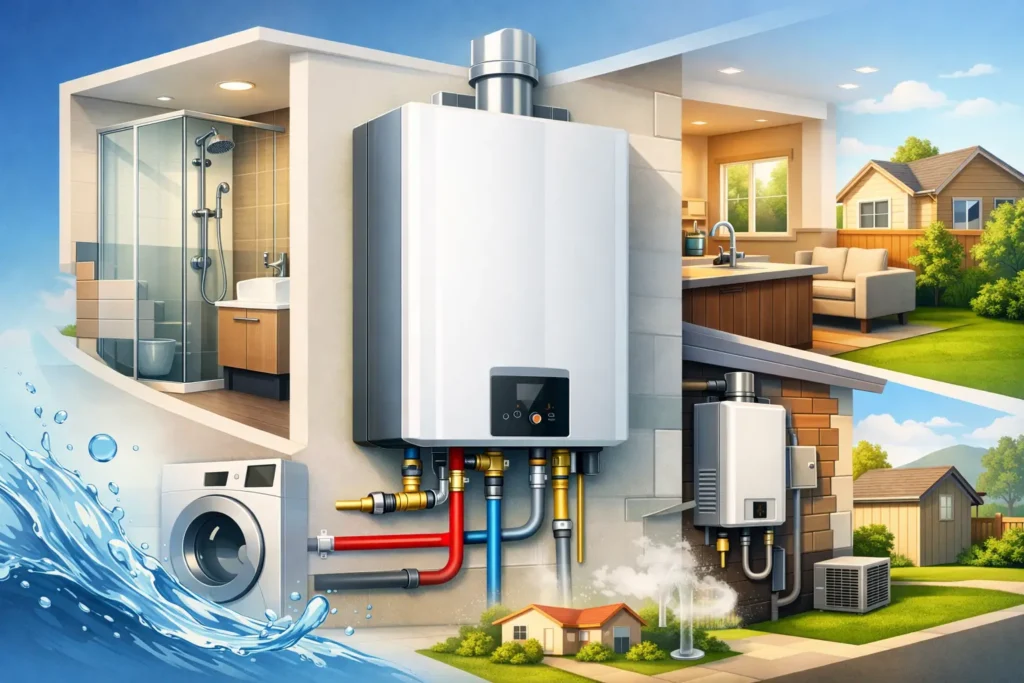
There are also cases where neither standard option is the whole answer. Some homeowners are better served by tankless water heaters, power vent models, or heat pump water heaters depending on the home and usage pattern. That is why a good recommendation should be based on the actual property, not a one-size-fits-all sales script.
At Easy Breezy HVAC Inc., we see this most often when homeowners are replacing an aging tank under time pressure. The best decisions usually happen when the options are explained clearly, pricing is visible, and the recommendation matches the house instead of forcing the house to match the equipment.
If you are weighing electric versus gas water heater options, focus on the full picture – installation conditions, hot water demand, monthly operating cost, and how long you plan to stay in the home. The right choice is the one that keeps hot water reliable without creating headaches later.