A furnace usually stops being a budget question the moment your house feels cold and the old unit starts making noises it never made before. If you are searching for a furnace replacement cost breakdown, you probably want one thing most contractors do not give upfront – a clear explanation of what you are actually paying for, and why one quote can look very different from another.
For homeowners in Toronto and the GTA, furnace replacement pricing is not just about the box sitting in the basement. The final number is shaped by the furnace itself, the installation work, the venting setup, code requirements, and the condition of the existing system. That is why a low quote can sometimes leave out work that becomes an extra charge later.
What goes into a furnace replacement cost breakdown
The largest part of the price is usually the equipment. Furnace cost changes based on size, efficiency rating, brand, blower type, and performance features. A basic single-stage gas furnace will generally cost less than a two-stage or variable-speed model, but lower upfront cost does not always mean better value for the home.
A single-stage furnace is simpler and often works well for smaller homes or tighter budgets. A two-stage furnace can offer better comfort because it runs at a lower output much of the time and ramps up when needed. A variable-speed system adds another layer of comfort and efficiency, especially in homes with temperature swings between floors. Those upgrades can increase equipment cost, but they may improve comfort, reduce noise, and help manage energy use over time.
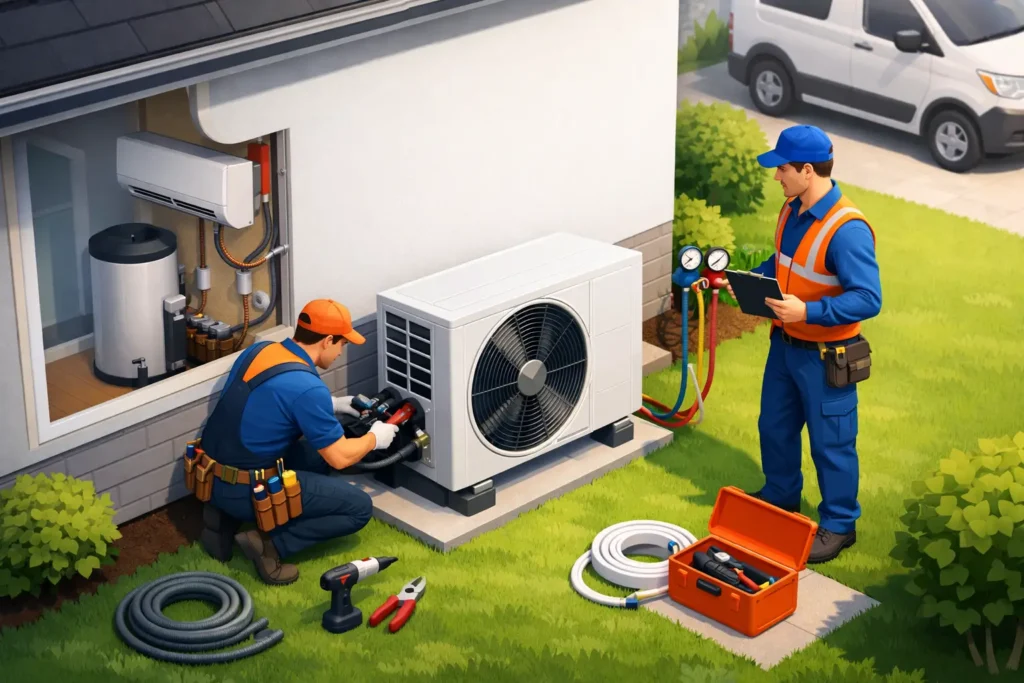
Installation labour is the next major cost. This is where two homes with the same furnace model can end up with different totals. A straightforward swap in a newer mechanical room is faster than replacing an older unit with outdated venting, limited clearance, or duct modifications. Labour also covers removal of the old furnace, delivery of the new one, setup, gas and electrical connections, system testing, and safe startup.
In many homes, there are also materials beyond the furnace itself. That can include vent pipe, drain tubing, fittings, gas line adjustments, sheet metal transitions, a new pad, safety switches, or electrical upgrades. These are not glamorous line items, but they are often necessary for the installation to be safe, code-compliant, and reliable.
Typical price ranges for furnace replacement
For many GTA homeowners, a full gas furnace replacement often falls somewhere in the mid-thousands, but the range can widen depending on the system and the home. A more basic replacement with a standard-efficiency setup and minimal changes may land at the lower end. A high-efficiency furnace with upgraded features, venting changes, and extra labour can push the price higher.
As a practical benchmark, many professionally installed furnace replacements in the Toronto market fall roughly between $4,500 and $8,500. Some projects come in lower, and some go well above that if the installation is complex or tied to larger system upgrades. If you are seeing quotes well outside the usual range, it is worth asking what is included and what is not.
That matters because one estimate may include permits, disposal, venting updates, and thermostat replacement, while another may list only the base unit and labour. On paper, the cheaper quote wins. In reality, it may not be the better deal.
Equipment choices that affect furnace price
Furnace size
Bigger is not automatically better. Furnace size is based on heating load, not just square footage. A home that is poorly insulated, has drafty windows, or has added living space may need a different furnace size than a newer, tighter home of similar size. Oversizing can lead to short cycling, uneven heating, and wasted energy. Proper sizing is part of the value of a professional quote.
Efficiency rating
Most replacement furnaces today are high-efficiency models. Higher efficiency can lower utility costs, but the savings depend on your current system, your usage, and the condition of your home. If your existing furnace is very old, moving to a high-efficiency unit can be a meaningful improvement. If your home loses heat quickly through insulation gaps, the furnace upgrade alone may not solve the full problem.
Performance features
Two-stage heating and variable-speed blowers usually cost more than basic systems. They can be worth considering if your current home comfort issues include hot and cold spots, loud startup cycles, or dry winter air movement. For some homeowners, the quieter operation and more even heat are worth the added cost. For others, a simpler model is the right fit.
Installation costs homeowners often miss
A proper furnace replacement cost breakdown should include the installation details that can change the final invoice.
Permits and code compliance are one example. Depending on the job, permits may be required, and the work must meet local code. This is not just paperwork. It helps ensure your gas appliance is installed safely.
Venting is another common factor. High-efficiency furnaces often use different venting materials and layouts than older units. If the old venting cannot be reused, that adds material and labour cost. The same goes for condensate drainage, which some older systems did not need in the same way.
Ductwork modifications may also be needed. If the new furnace has different dimensions or airflow requirements, the installer may need to adapt supply and return connections. This can be minor sheet metal work or a more involved correction to improve system performance.
Electrical work and thermostat compatibility can add cost too. Some upgrades need a new thermostat or wiring changes to support the furnace features you are paying for.
Why one home costs more than another
No two replacement jobs are exactly alike. An older Toronto home with a tight basement, legacy venting, and years of patchwork repairs usually takes more work than a newer suburban home with open access and modern mechanicals. If your current setup has safety issues, poor airflow, undersized return ducts, or a badly installed previous furnace, those problems often surface during replacement.
This is where honest quoting matters. A contractor who explains those issues before work begins is helping you avoid surprises, not inflating the bill. In some cases, extra work is optional. In other cases, it is the difference between a system that works properly and one that gives you trouble from day one.
Should you repair or replace?
If your furnace is under 10 years old and the repair is relatively minor, repair is often the sensible choice. If it is 15 to 20 years old, breaking down repeatedly, or showing signs of heat exchanger issues, replacement usually makes more financial sense.
The decision is not only about age. It is about repair frequency, efficiency, comfort, and confidence. A cheaper repair can still be the more expensive decision if you are putting money into a furnace that is close to the end of its life. On the other hand, replacing too early is not always necessary if the system is still safe and dependable.
How to compare furnace quotes properly
When reviewing estimates, ask for a full scope of work. You want to know the furnace model, efficiency, warranty coverage, what installation materials are included, whether disposal is included, and whether permit-related costs are included. It is also smart to ask what happens if the installer finds venting or duct issues once the old unit is removed.
Look closely at labour warranty as well as manufacturer warranty. Parts coverage matters, but labour coverage can make a real difference in what you pay after installation. This is one area where transparent companies stand out. Easy Breezy HVAC, for example, puts clear pricing and installation details front and centre because homeowners should be able to see what they are buying without guessing.
A realistic way to budget for replacement
If your furnace is aging but still running, start planning before it fails in the middle of winter. Emergency replacement can narrow your choices and add stress to the decision. Budgeting ahead gives you time to compare equipment options, ask questions, and choose the right level of efficiency and comfort for your home.
It also helps to think beyond the lowest sticker price. A furnace is not a short-term purchase. You are paying for reliable heat, safe installation, and fewer headaches during the coldest months of the year. A clear furnace replacement cost breakdown should leave you understanding the value of the work, not wondering what got left out.
The best quote is usually not the cheapest one or the highest one. It is the one that clearly explains the equipment, the installation, and the reasons behind the price, so you can make a decision with confidence and keep your home comfortable when it matters most.