A furnace rarely fails without giving you a few clues first. The problem is that many homeowners only notice those clues after the house feels cold, the system stops mid-cycle, or the utility bill jumps for no obvious reason. Knowing the most common furnace repair warning signs can help you act earlier, avoid a full breakdown, and make a better decision about whether your system needs a repair or a replacement.
In Toronto and across the GTA, that matters even more during a long stretch of winter weather. A furnace that is only “mostly working” can quickly turn into a no-heat call when temperatures drop. Here are the warning signs worth paying attention to.
Furnace repair warning signs that should not be ignored
Some issues are obvious, like a furnace that will not start. Others are easier to dismiss because the system still runs. If your furnace is making changes in how it sounds, smells, heats, or cycles, that usually means something inside the system is wearing out, dirty, loose, or no longer operating efficiently.
1. Your furnace is making new or unusual noises
A healthy furnace is not silent, but it should sound familiar. If you start hearing banging, rattling, screeching, humming, or popping that was not there before, it is worth investigating.
A rattling noise can point to loose panels or internal parts. Screeching may suggest a worn belt or blower motor issue, depending on the furnace design. Banging can be more serious and sometimes relates to delayed ignition or expanding ductwork. Not every sound means major damage, but a new noise is often one of the earliest furnace repair warning signs.
2. The air coming from vents feels weak
If the furnace is running but the airflow feels lighter than usual, the home may take longer to warm up and some rooms may never reach the thermostat setting. Weak airflow can come from something simple, like a clogged filter, but it can also signal a failing blower motor, blocked vents, dirty components, or duct issues.
This is one of those situations where it depends. A filter change may solve it. If it does not, the next step should be a proper inspection before the strain causes other parts to wear out.
3. Some rooms are warm and others stay cold
Uneven heating is common in multi-level homes, older homes, and houses with ductwork challenges, but a noticeable change in comfort usually means something has shifted. If one area of the house suddenly starts feeling colder than the rest, your furnace may not be distributing air properly.
The cause could be airflow restrictions, thermostat problems, duct leakage, or a furnace that is losing heating capacity. If the imbalance is new, do not assume it is just the weather.
4. Your furnace turns on and off too often
Short cycling means the furnace starts, runs briefly, shuts off, and then repeats the pattern. That is hard on components and usually means the system is not operating as it should.
In some cases, the issue is a dirty filter or a thermostat problem. In others, it can involve overheating, flame sensor issues, or a furnace that is oversized for the home. Short cycling wastes energy and tends to get worse over time, so it is best handled early.
Signs your furnace may be running unsafely or inefficiently
Not every warning sign is dramatic. Some of the most expensive furnace problems start as efficiency issues or performance changes that seem minor at first.
5. Your heating bills are climbing without a clear reason
If your gas bill rises but your usage habits have not changed much, your furnace may be working harder to produce the same heat. Dirty burners, poor airflow, worn parts, or ignition problems can all reduce efficiency.
Of course, winter billing can vary with outdoor temperatures, so a single higher bill is not always enough to diagnose a problem. But if you notice a steady increase compared with similar months in previous years, your furnace may need service.
6. You smell something off when the furnace runs
A brief dusty smell at the start of the heating season can be normal. That is often just dust burning off components after months of sitting idle. A persistent burning smell, a sharp electrical smell, or repeated gas odours are different.
If you suspect a gas smell, leave the area and follow gas safety procedures right away. For other unusual odours, shut the system off if needed and have it checked. Smells are one of the furnace repair warning signs homeowners tend to second-guess, but they should never be ignored.
7. The pilot light or burner flame looks wrong
On systems with a pilot light, the flame should generally be steady and blue. On modern gas furnaces, the burner flame should also appear clean and blue in normal operation. If the flame is yellow, flickering heavily, or behaving irregularly, there may be a combustion issue.
This is not a DIY diagnosis. Combustion-related problems can affect safety as well as performance, and they require a certified technician to inspect properly.
8. The furnace needs repeated thermostat adjustments
If you are constantly raising the temperature to stay comfortable, the issue may not be the weather or your expectations. It may be the furnace struggling to keep up.
Sometimes the thermostat itself is the problem. Sometimes the furnace is producing less heat than it should. The key point is the change in behaviour. If the same setting that worked last winter is no longer enough, the system deserves a closer look.
9. Your furnace is older and breaking down more often
An older furnace is not automatically a bad furnace. Many systems can run well for years with proper maintenance. But if your furnace is getting into the later part of its lifespan and repairs are becoming more frequent, that pattern matters.
At a certain point, a repair is still possible but may not be the smartest long-term choice. If the heat exchanger, blower motor, control board, or other major components are failing on an aging unit, replacement may offer better value than repeated service calls. Honest guidance matters here because the right answer depends on the age of the system, repair cost, condition, and your plans for the home.
What to check before booking a repair
There are a few basic things homeowners can safely look at before calling. Check the thermostat setting and batteries if applicable. Make sure the furnace switch is on. Confirm the air filter is clean and vents are open. If the breaker has tripped, reset it once.
If those steps do not restore normal operation, it is time for a professional diagnosis. Do not open sealed components or try to troubleshoot gas or electrical parts yourself. A furnace is one of those systems where guessing can make the problem worse.
When to call right away
Some warning signs can wait a day or two for an appointment. Others call for immediate attention. If the furnace will not start, is blowing cold air in freezing weather, smells like gas, shuts down repeatedly, or shows signs of electrical burning, do not delay.
For GTA homeowners, fast service is not just a convenience during winter. It protects your home, your comfort, and in some cases your plumbing from freezing conditions. A responsive HVAC company should explain what they found, what the repair involves, and whether there are options if the unit is nearing the end of its life.
Repair or replace? The honest answer is that it depends
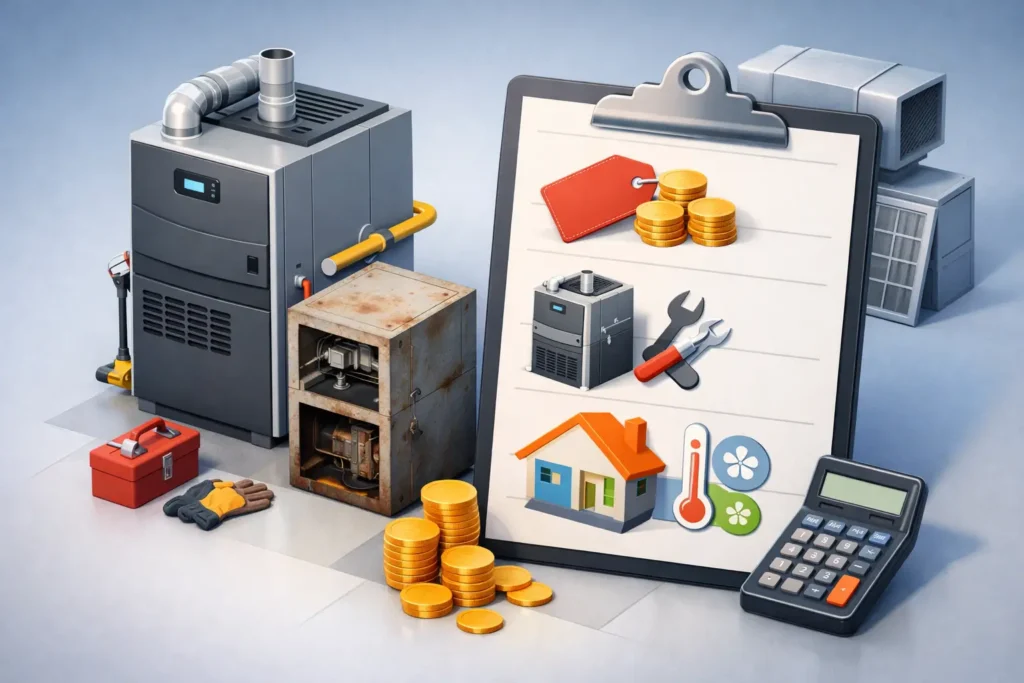
This is where many homeowners want a simple rule, but the right answer depends on a few factors. If the furnace is relatively new and the issue is isolated, repair usually makes sense. If the unit is older, inefficient, and starting to need expensive parts, replacement may be the better investment.
The best service experience is one where the technician explains both paths clearly. You should know what failed, what the repair costs, how urgent it is, and whether more issues are likely soon. That is the kind of straightforward communication homeowners expect from a company like Easy Breezy HVAC Inc., especially when they are making a decision under winter pressure.
A good furnace does not need to be perfect. It just needs to heat your home safely, consistently, and efficiently. If you have noticed one or more of these furnace repair warning signs, trusting your instincts early can save you from a much colder and more expensive problem later.