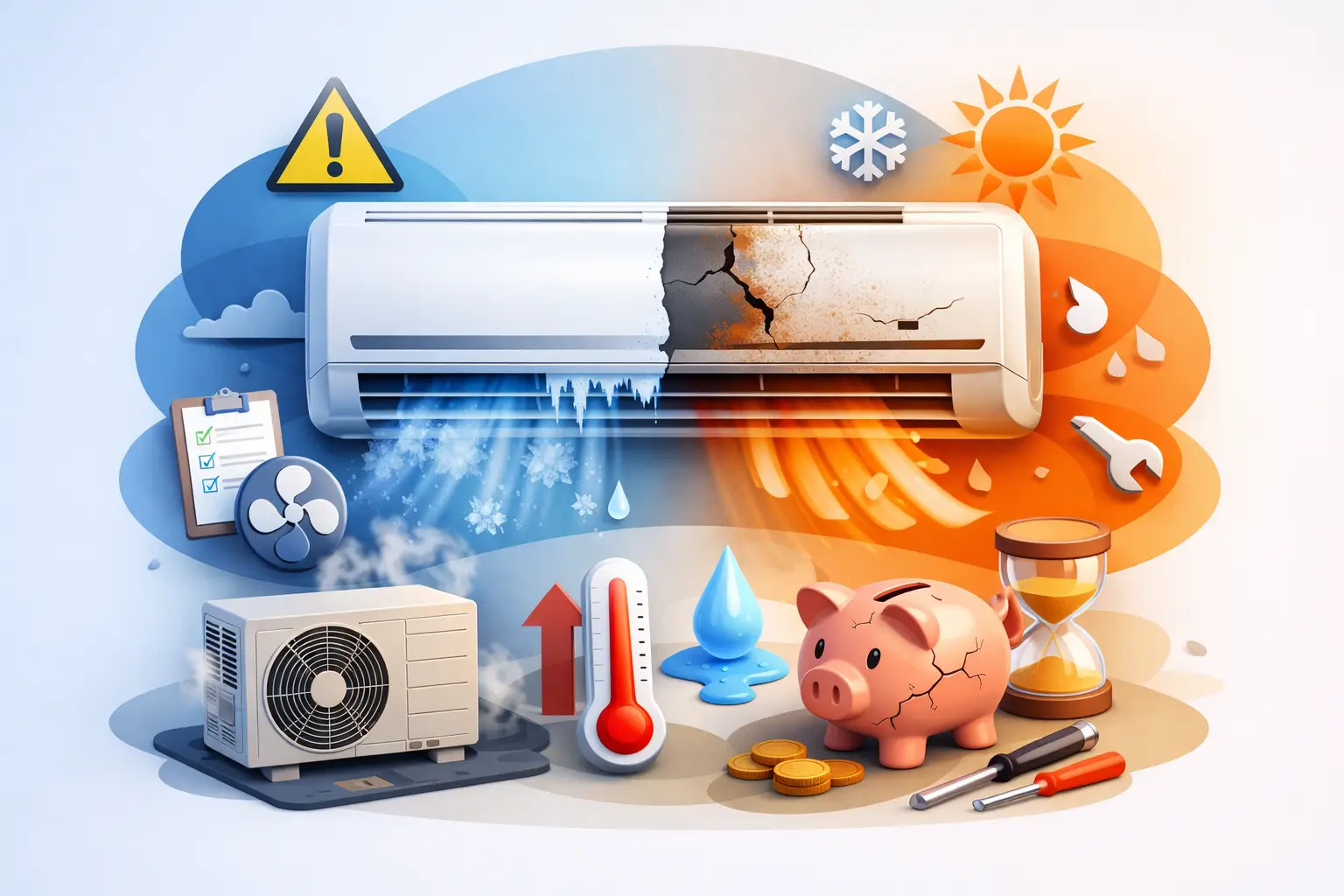
A Toronto heat wave has a way of exposing problems fast. If your home never quite cools down, your hydro bill jumps every summer, or your AC needs one more repair than you expected, those may be air conditioner replacement signs – not just minor annoyances.
For many homeowners, the hard part is knowing when to stop paying for repairs and start planning for a new system. An air conditioner does not usually fail all at once. More often, it gives you warning signals over time. The key is recognizing which issues point to normal wear and which ones suggest your system is nearing the end of its useful life.
The most common air conditioner replacement signs
Some AC problems can be fixed quickly and economically. A capacitor, thermostat, or clogged drain line might cause trouble without meaning the whole system is done. But when several issues show up together, replacement often makes more sense than continued repairs.
1. Your air conditioner is 10 to 15 years old
Age alone does not automatically mean replacement, but it matters. Most central air conditioners start to lose efficiency and reliability as they get into the 10 to 15 year range, especially if maintenance has been inconsistent. In the GTA, systems work hard through humid summer stretches, and that wear adds up.
If your unit is older and still running, it may continue for another season or two. The question is whether it is running well, efficiently, and without frequent repair costs. An older system that cools unevenly and struggles on hot days is often telling you it is close to the end.
2. Repairs are becoming regular
One repair every so often is normal. Multiple service calls in a short period are not. If you have replaced a contactor last summer, topped up refrigerant this year, and now the compressor is acting up, the pattern matters.
At a certain point, repair money stops buying peace of mind. It just keeps an aging unit going a little longer. A good rule is to step back and look at the full picture, not just the latest invoice. If repair costs are stacking up and the unit is older, replacement is often the more predictable investment.
3. Your energy bills keep rising
An older AC can still turn on and blow cool air while using far more electricity than it should. Dirty coils, worn components, and declining efficiency can all make the system work harder to deliver the same result. If your summer hydro costs are climbing and your usage habits have not changed much, your AC may be part of the problem.
This is one of the more overlooked air conditioner replacement signs because the system still appears to work. But performance and efficiency are not the same thing. A unit that cools your house while wasting energy can cost you more month after month than you realize.
4. Cooling is uneven from room to room
If one bedroom feels stuffy, the second floor never gets comfortable, or some rooms cool quickly while others stay warm, your AC may be losing capacity. Uneven cooling can sometimes be caused by ductwork issues, insulation problems, or thermostat placement, so it is not always a replacement issue by itself.
Still, if your air conditioner is older and has already been serviced without solving the comfort problem, the equipment may no longer be properly handling your home’s cooling load. This is especially common in homes that have been renovated, expanded, or had windows replaced since the original unit was installed.
5. It runs constantly in hot weather
On very hot days, longer run times are normal. Constant operation without reaching the set temperature is not. If your AC seems to run all afternoon and evening but the house still feels warm, something is off.
Sometimes the issue is repairable, such as restricted airflow or low refrigerant. But if the unit is older, undersized, or simply worn out, replacement may be the better answer. An air conditioner that cannot keep up during a typical GTA summer is not giving you reliable home comfort when you need it most.
Signs your AC may be nearing the end
Some warning signs are less about comfort and more about mechanical decline. These are the ones homeowners often notice just before a major breakdown.
6. Strange noises are getting worse
A healthy air conditioner makes some noise, but it should not sound harsh, loose, or laboured. Grinding, banging, rattling, or buzzing can point to serious internal wear. In some cases, the repair is straightforward. In others, those sounds are tied to major components that are expensive to replace.
If the noise is new and your unit is older, it is worth having it assessed before the next hot stretch. Waiting too long can turn a manageable decision into an emergency replacement.
7. It uses outdated refrigerant
If your system uses older refrigerant, repairs can become more expensive and less practical over time. Availability changes, costs rise, and a refrigerant-related issue that once made sense to fix may no longer be the smart option.
This does not mean every refrigerant issue requires a new air conditioner right away. But when an older system develops a leak or needs a major sealed-system repair, replacement often becomes the more sensible long-term move.
8. Humidity levels stay high indoors
A properly functioning AC does more than lower temperature. It also helps remove humidity from your home. If the house feels sticky even while the system is running, that may mean your air conditioner is not operating effectively anymore.
Humidity problems can also relate to system sizing or maintenance issues, so this is another case where diagnosis matters. But if your older AC cannot keep indoor conditions comfortable despite repeated service, replacement may be the fix that restores both cooling and moisture control.
9. Your system breaks down at the worst times
There is never a convenient time for an AC failure, but recurring breakdowns during the hottest weekends of the year are a strong sign your system is no longer dependable. Reliability has value. For families with children, older adults, pets, or anyone working from home, losing cooling in July is more than an inconvenience.
If you are repeatedly crossing your fingers every time the forecast climbs, that is usually a sign to start planning instead of waiting.
Repair or replace? What homeowners should weigh
This decision is not always black and white. A newer unit with a single faulty part is often worth repairing. An older unit with multiple problems, weak performance, and rising operating costs usually is not.
The most practical approach is to compare three things: the age of the system, the cost of the current repair, and how well the unit has been performing overall. If your AC is older and the repair is significant, replacement often gives you better value and fewer surprises.
It is also worth thinking beyond the immediate repair bill. A new system may improve comfort, lower energy use, reduce summer breakdown risk, and come with warranty protection that an aging unit no longer offers. For many homeowners, that predictability matters just as much as the equipment itself.
Why waiting too long can cost more
Many homeowners try to get one last season out of an aging air conditioner. Sometimes that works. Sometimes it leads to a no-cooling emergency in the middle of a heat event, when fast decisions are harder and availability can be tighter.
Planning a replacement before total failure gives you more control. You have time to compare options, ask questions, and choose a system that suits your home and budget instead of making a rushed choice under pressure. That is especially useful if you want transparent pricing and a clear explanation of what is being installed.
For GTA homeowners, this is often the difference between a manageable home upgrade and an urgent problem.
When to book an assessment
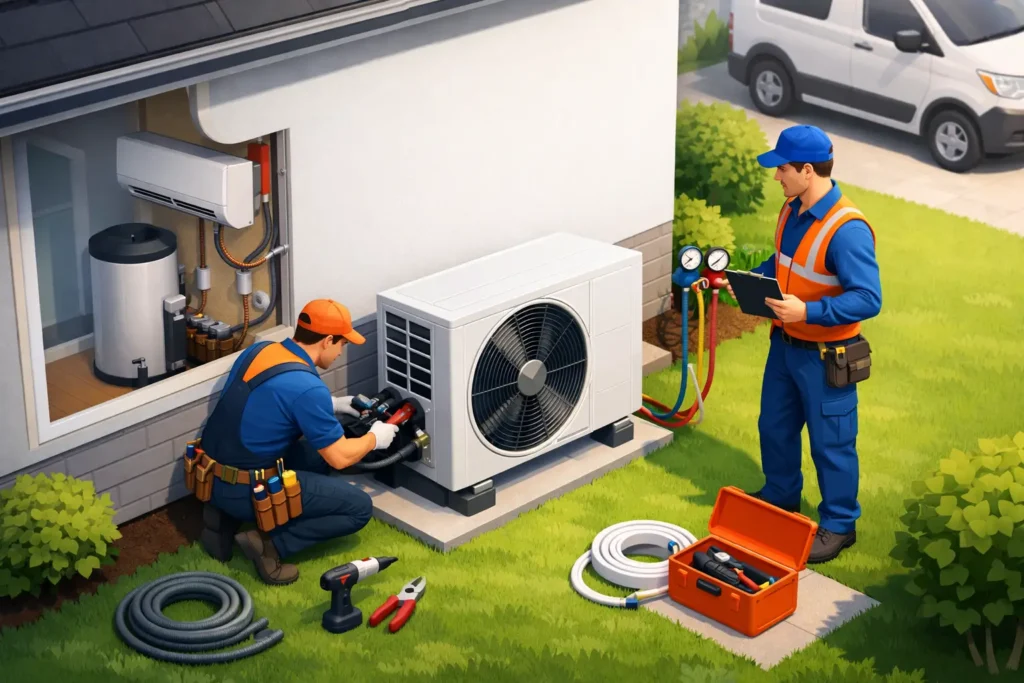
If you have noticed several of these air conditioner replacement signs at once, it is a good time to have your system evaluated. The goal is not to replace equipment unnecessarily. It is to get a clear answer on whether repair still makes sense or whether replacement would be the more reliable and cost-effective choice.
A proper assessment should look at the condition of the unit, likely repair path, cooling performance, and whether the system still fits your home’s needs. That kind of direct, honest guidance helps you make the decision with confidence.
Home comfort should not feel uncertain every time the temperature rises. If your AC is showing its age, a straightforward assessment now can save you stress, repeat repair bills, and uncomfortable days later on.